Posts by Invited Guest Blogger
Cows need nutritionists? Don’t they just eat grass?

There are many similarities and a few key differences between the nutritional demands of a cow and a human. Robin Rastani, a nutritionist for dairy cattle, explains her common goal with human dietitians – providing a healthy, balanced diet within a budget for our clients. A guest post that provides a great example of connecting science of agriculture to food interests.
Read MoreThe Human Element of Farmers: Sports Obsession & Oscar Dresses
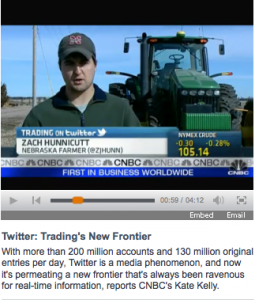
Speaking up for agriculture is not just about connecting “The Public” with “The Farm.” Agvocacy becomes most effective when we add a human voice to the farm, says Nebraska farmer Zach Hunnicutt. He uses his sports obsession to connect with people through Twitter – and even has made an CNBC appearance. Learn more from this great guest post of a dad, Cornhusker, tech head – and farmer.
Read More4-H Members of the Future, Extension & Federal Funding
4-H gave Michele lessons in leadership, citizenship and perseverance. The proposed slashes to the Smith Lever act
will likely remove the opportunity for more young people to benefit from 4-H – and the very important life skills taught through 4-H. If you believe in any of Extension’s values – whether for young people, fitness, food, farms or gardeners – please speak up today.
Increase Impactivity™ in 15 Minutes a Day

Have you ever said ‘there are never enough hours in the day?’ Do you ever feel like you just can’t get it all done, even while working 12+ hours on your farm? Neen James, a productivity expert and granddaughter of an Australian dairy farmer, provides a guest blog on how you can make more of your day with 15 minute increments.
Read MoreGrowing Educated Opinions in FFA Leaders
Did you know Facebook, Twitter, Skype and YouTube can help students learn? Amanda Sollman, a future agriculture education teacher and product of Michigan FFA, pens a guest post about her experience learning from others in agriculture. Social media has helped her be a leader with an educated opinion – and a voice in online conversations about our food system.
Read More