Science
Holistic animal agriculture for nutrition pros: Episode 111

If everyone went vegan, greenhouse gas emissions would drop by 2.6% in the U.S. – not the planet-saving shift most people assume. Colorado State sustainability scientist Dr. Kim Stackhouse-Lawson brings peer-reviewed data to the animal agriculture and climate change conversation, including why cattle methane is fundamentally different from fossil fuel CO2.
Read MoreDietetic ethics, evidence, & evolution of food information: Episode 105

Connie Diekman is a former president of the Academy of Nutrition and Dietetics and co-author of a peer-reviewed paper on misinformation in food and nutrition science. She brings three practical tools every RDN can use right now – and a candid warning about where misinformation in dietetics actually starts.
Read MoreFarm monoculture myths & soil nutrients: Episode 102

Is monoculture farming destroying soil health? Jennie Schmidt is a registered dietitian who left clinical practice to become a full-time farmer – and she’s heard every version of that claim. She explains what monoculture actually means, why cover crops matter more than the label suggests, and what healthy soil really looks and feels like.
Read MoreIt’s really soy good: Episode 96
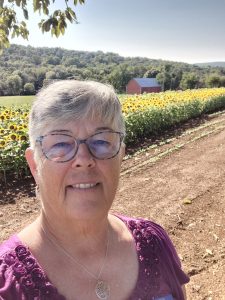
How is soy a part of your diet? Maryland farmer Belinda Burrier talks about high oleic soybean oil, GMOs, international demand, the health benefits of soy, and so much more in the latest Food Bullying podcast.
Read MoreOvercoming GMO food OMG: Episode 94

Take the gene as a sentence in a book. Copy that sentence (gene) into another book. Now scientists can put the gene into a specific paragraph. Farmer Paul Hodgen uses this example to explain genetic modification in food. He has worked with GMOs – genetically modified organism – in both the laboratory as an agronomist, as well as farming GMO corn and soybeans.
Read More