

Translating science through story




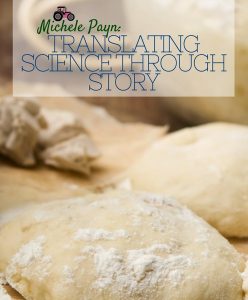 Baking bread is a common activity in my kitchen. There is a certain solace in mixing the simple ingredients of flour, water, sugar, salt and yeast. Kneading the dough provides relaxation and rare time to reflect. The aromas that fill the kitchen, from the beginning of yeast growing all the way through baking, smell like home. And the taste? There are few things that will make me drool more than a freshly baked slice of bread formed by my own hands!
My daughter and I bake French Bread year-round; I’ve found our friends treasure our homemade bread as a heartfelt gift. We make cinnamon rolls, tea rings and kuchen at Christmas from a recipe that includes mashed potatoes. We use the same family recipe, leftover from my 4-H days, to make dinner rolls at Easter and Thanksgiving.
When we bake bread, we don’t worry about the complexities of chemistry or talk about the science, we just take it for granted. Yeast grows in warm water, activated by sugar. This releases carbon dioxide and alcohol, creating bubbles to make the bread rise, which is in turn supported by gluten. It’s just the way it works.
Making bread isn’t hard, nor is the science involved with yeast growing. But that’s because we understand the process. Do people trust what they don’t know? [Read more]
2 Comments
Leave a Comment
You must be logged in to post a comment.


Do you share your french bread recipe?
Thank you
Debbie Rock
Sure thing, when I actually remember to bring the recipe to the office. 🙂