

A Dirty Dozen: Agvocacy in Action




We started our 10 year anniversary with a challenge: pick an agvocacy idea to multiply your voice tenfold. Leveraging voices between the farm gate and consumer plate is the goal of 10x Connect, so we’re providing a “dirty dozen” of our most popular blog posts to provide you food for thought.
The Tears I’ve Shed…Animal Abuse
An emotional response to another animal rights activist video. A must read for anyone concerned about dairy farmers abusing calves. Michele offers a personal glimpse of how food producers feel watching these videos and illustrates the misrepresentation by comparing prostitutes to farmers.
Farm and Ranch Blogs
Our collection of farm & ranch blogs from across the United States, Canada and several countries around the world continues to be a popular destination for people searching for food, farm and ag information. Click on the region links to see blogs from specific states.
What Shape is Your Food Plate?
Have you considered ways for all sides of our food system to connect equally, whether it’s the farmer, scientist, nutrition expert or consumer? The circular food plate gives people the opportunity to reach across, shake hands, and find common interests. Michele points to science, accuracy and credibility as hot buttons with food producers, dietitians and scientists that can help them work together to educate people about food. Research shows that the less people know, the more afraid they’re likely to be.
I eat. You farm. So what?
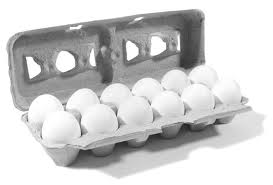
A farmer walks into a suburban grocery store and talks with a food consumer. Read here for a conversation on hormones, pesticides, animal abuse, subsidies, biotechnology where there’s a connection made between two humans.
10 Rules of Online Engagement for the Kicking and Screaming
Guest blogger Dan Toland of Ohio Farm Bureau provides 10 tips for farmers and agvocates online – even those who are fighting the internet and social media. He points to a 52% increase in consumer trust on websites as a credible source on food system issues as reason enough to join the discussion. It’s time to step outside your comfort zone and be engaged in real, live and honest-to-goodness online conversations about what you do.
I Scream, You Scream, We All Scream…
Michele hosted a party celebrating all the flavors of advocacy during National Ice Cream Month. Lots of fun flavors from all over the U.S. and Canada.
Advancing Social Media for Agriculture
We’re bombarded by 13,000 marketing messages each day, now largely due to new media. Watch the Evolution of Online Agvocacy if you want to see more. All of this social media mania is also building a fear that humans may just stop having real conversations -after all, we can just text, direct message, instant message, Facebook or email (how old school!). Nothing could be further from the truth, based upon the energy level of a group of farmers, ranchers and agricultural folks this week at the inaugural AgChat Foundation Agvocacy 2.0 Conference.
Why Farmers Should NOT Speak Up
A highly sarcastic look at 15 reasons why farmers and ranchers should not tell their story. Why start the year on a resolution when you can kick it off with satire? Great quotes from ag people added to Michele’s sarcasm. Post your reason – let’s get all the excuses out of the way so we can laugh a little – and then have a productive year as agvocates!
The Integrity of Humane Care
How would you feel if your family was video taped in secrecy in your own home? Michele shares the feelings of farmers in this situation with animal rights videos. She questions the integrity of an agenda-driven group producing videos while disregarding private property, biosecurity, food safety and employee protocol.
Cow’s need nutritionists? Don’t they just eat grass?
There are many similarities and a few key differences between the nutritional demands of a cow and a human. Robin Rastani, a nutritionist for dairy cattle, explains her common goal with human dietitians – providing a healthy, balanced diet within a budget for our clients. A guest post that provides a great example of connecting science of agriculture to food interests.
The Sin of Animal Agriculture
Generations removed from the farm means we no longer have conversation that animals die for us to eat. Somehow, we need to get back to understanding that farmers raise animals for food – animals that are very different than Fido or Fluffy. Those farm animals take things we can’t eat or drink and convert them to life sustenance.Those of us in agriculture need to learn to better communicate that we are grateful for the sacrifice that farm animals pay so that we can eat. Not just to feed people in cities, but our families, too.
High Fructose Corn Syrup: Good or Bad?
Will HFCS harm baby Blue? Guest blogger MRS talks about reading the stance of other mommy bloggers and how compelling their passion is – until she read a a registered dietitian’s blog about the body treats high fructose corn syrup the same as table sugar. Is HFCS really one of the foods that pose a health risk or simply something to be consumed in moderation?
So…how can you apply these ideas to your world? Take 15 minutes today to adapt one of them to your world, in the interest of connecting farm gate to food plate.
3 Comments
Leave a Comment
You must be logged in to post a comment.


OK. If you are interested in giving your audience information about commerical farming production and all matters relating to agriculture, might I suggest they visit my website at http://www.healthyplants.org. Don’t hate us because we are a pesticide and fertilizer association protecting agchem interests in Sacramento, but remember that each time you go grocery shopping that the low prices you pay at the cashier is because our products work for the benefit of us all. If we allowed the insects and diseases to take over the world you would be paying food bills that are sky high and our food would be in short supply. Check us out. We have a new video I just produced showing why fumigation practices are so important to crop production. Again, the website: www. healthyplants.org. Our members include Monsanto, Dow, DuPont, Bayer, BASF, Syngenta, Potash, Simplot and Agrium.
Love to see a new blog subject.
Great post! I especially liked the sarcasm of the Why Farmers Shouldn’t Speak Up.
Carla from truthordairy.blogspot.com