

Should we focus on food apathy or grandstanders?




The 80-20 rule applies to food. 80% of folks likely don’t care unless someone relate directly to their concerns. 10% believe there’s nothing wrong and never will be, which I’ll label as the entrenched. The grandstanders, as I call them, are the 10% who do everything they can to draw attention to their position, often times creating a political quagmire on issues such as animal welfare, obesity, biotechnology, CAFOs, etc. It seems to me that we spend a disproportionate amount of time on grandstanders; responding to their nasty media campaigns and blog comments.
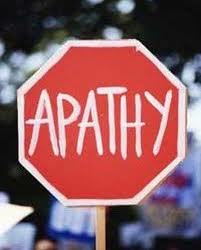
Are you focused on grandstanders or the 80% in the middle?
Meanwhile, the majority of the population moves on in food apathy. They know they should eat less, but really have no idea of how many calories that involves. Witness the IFIC Food & Health Survey, where 9% of Americans can accurately estimate the number of calories they should consume in a day for a person their age, height, weight, and physical activity. In a number unchanged from 2009 to 2010, 70% say they are concerned about their weight status, and 77% are trying to lose or maintain their weight. And even more concerning in 2011, 5% more report that their physical activity levels are sedentary – a significant increase from 2010.
The combination of a lack of knowledge of calorie needs and increase in sedentary lifestyles tells me there’s a great deal of food apathy. I’d love to see agriculture and nutrition professionals to work together to overcome people’s lack of interest in nutrition. Health professionals, such as dietitians, have been fighting an uphill battle in getting people to move from apathy to action. That spells opportunity! Perhaps agriculture can move some of its sights from the grandstanders to growing partnerships that will hit the folks in the middle.
The International Consumer Attitudes Study shows that 95% of the global population are concerned about cost, taste and nutrition. Food costs are top-of-mind as Americans look ahead at a Thanksgiving meal that will cost $5.73 more this year on average and as the world faces growing numbers of people living in food insecurity. It’s a great time to create interest with food buyers by talking about ways agriculture work to keep food prices down – and why food prices are rising. Explain it on their terms, not yours and you might be surprised at the connection you make. You can do this in a 5 minute conversation in the church parking lot, a Facebook dialogue, blog post or phone call. There’s no right or wrong place.
While I’m a huge proponent of the reach of social media has in connecting farm and food, I’ll be the first to admit that it’s easy to focus on the grandstanders in that medium. This is particularly true on Twitter. Why not make a point for the remainder of 2011 to connect with the middle? Find others interested in overcoming food apathy. Combine forces.
And maybe, just maybe we can make a dent with the majority. One of the great times to do that is with the U.S. Thanksgiving, where food traditions (and overeating) are top-of-mind. Foodthanks on November 23 is a great example of connecting with the middle. Won’t you join in – and then continue that focus for the remaining 37 days of 2011?
4 Comments
Leave a Comment
You must be logged in to post a comment.


Nicely done.
I’d estimate that the number is closer to 5%…. they’re just loud, so it feels like 10%.
Yes… I will join you in having an open dialogue with the middle!
Robin, good point. I’d say 5% on Twitter, closer to 10% in old school communications. Regardless, their voice is overly loud. And delighted you’re joining me!
Good post. I would say the fact that the majority of people who live in big cities have never delighted in the sight of a field of row crops, never pulled fresh fruit off an orchard tree, or have witnessed the myriad of farm machinery at work during harvest time. This major disconnect is the reason that so many people can be unduly influenced by the misrepresentative ramblings of a few calling themselves “environmentalists.” If only the “city slickers” would research and explore what farming truly is, they would be enlightened by the science and not so easily drawn into the “us against them” mentality that currently distorts the debate about modern agricultural commercial production and the benefits derived therein.
Thank you so much In very fast and hard schedule most of the people don’t have time to take care of their proper healthy food so they can have health regarding problems so i would like to suggest people that concerned a best health professional and live healthy and wealthy life