

Regulated foods, unregulated supplements




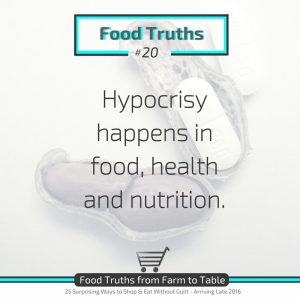 Have you noticed the trend of pill popping as a replacement for good nutrition? There is certainly a use for dietary supplements, but they are not the magic pill some marketing would lead you to believe. Supplements have become one of the fast growing sections of the grocery store, but at what cost?
Here’s what I don’t understand. It takes decades of research and billions of dollars to have a new food production tool, gene, medication, feed, or product approved by FDA. Yet FDA is not authorized to review dietary supplement products for safety and effectiveness before they are marketed?
In other words, we question all the techniques and products used in today’s farming but do not question the pills we pop in our mouth? We trust the manufacturers and distributors of dietary supplements to be responsible for making sure their products are safe before they go to market? We trust their health claims that are not regulated?
It seems like an incredibly hypocritical system. Feed additives, crop inputs, seeds, animal medicines, food processing techniques, food packaging, farming practices, ranching property rights and many other techniques are under incredibly scrutiny. Research has been conducted, protocol have been instituted, improvements have been made, policies instituted and regulations put in place across the agrifood business. Farmers and ranchers in the front line of agriculture have to be experts on regulations, just to survive.
Yet, supplements – going directly into our body with often unknown interactions – are not regulated until someone complains? There’s no effort to check what the ingredients? Some health claims can be made without getting FDA approval? This reeks of hypocrisy! More importantly, it seems like a huge health risk.
In case you believe the supplement business is all about vitamins and helping people, it is unquestionably big business. In 1994, there were four billion dollars of sales, which has grown to $32 billion dollars in 2014. An eight-fold increase in sales in twenty years? That’s a whole lot of money when tainted supplements have been linked to liver failure, acute bleeding, heart palpations and death. And for the record – I do believe there is value when supplements are used properly – as supplements – I take a couple myself, under my doctor’s advice.
Who is in charge?
According to FDA, “In October 1994, the Dietary Supplement Health and Education Act (DSHEA). Before this time, dietary supplements were subject to the same regulatory requirements as were other foods. This new law, which amended the Federal Food, Drug, and Cosmetic Act, created a new regulatory framework for the safety and labeling of dietary supplements.
Under DSHEA, a firm is responsible for determining that the dietary supplements it manufactures or distributes are safe and that any representations or claims made about them are substantiated by adequate evidence to show that they are not false or misleading. This means that dietary supplements do not need approval from FDA before they are marketed. Except in the case of a new dietary ingredient, where pre-market review for safety data and other information is required by law, a firm does not have to provide FDA with the evidence it relies on to substantiate safety or effectiveness before or after it markets its products.
Also, manufacturers need to register themselves pursuant to the Bioterrorism Act with FDA before producing or selling supplements.”57
Whether it’s Dr. Oz suggesting “number one miracle in a bottle” with dietary products that include magical coffee beans, Food Babe selling chia seeds, or the burgeoning supplement aisle at your grocery store, it is hypocritical for supplements being utilized by millions to have no regulation while your food undergoes radical scrutiny.
Federal Trade Commission (FTC) is supposed to regulate the marketing of supplements, but they turn to FDA. However, the FDA has little authority to investigate supplements. It’s a vicious circle – one that needs to be changed given the dietary supplement, probiotics, herbs, minerals, protein supplements and other health products that grocery store shoppers are buying.
Yet, our consumption continues to increase – either in search of the magic cure, making nutrition easier, or in response to celebrity claims. Supplements are supposed to supplement. Not be the fix-all, particularly given the lack of regulation and research in the portion of the grocery store.
Supplements are an interesting case study, one that I’ve found effective in opening eyes in the debate about food regulations, food labels and the consumer search for the “perfect” food produced the “perfect” way with “perfect” nutrition.
2 Comments
Leave a Comment
You must be logged in to post a comment.



I couldn’t agree more with this post. The supplement market has become a substitution for good nutrition and it is not regulated the same way. It really is unbalanced. Thank you for posting!
This is one of those things I’ve heard about for a long time, but when I started researching – I was a little dumbfounded at the imbalance.