



Science Story Speak is a 180-page workbook built for farmers, scientists, Extension educators, dietitians, and agricultural communicators who need to do more than know the science – they need to communicate it.
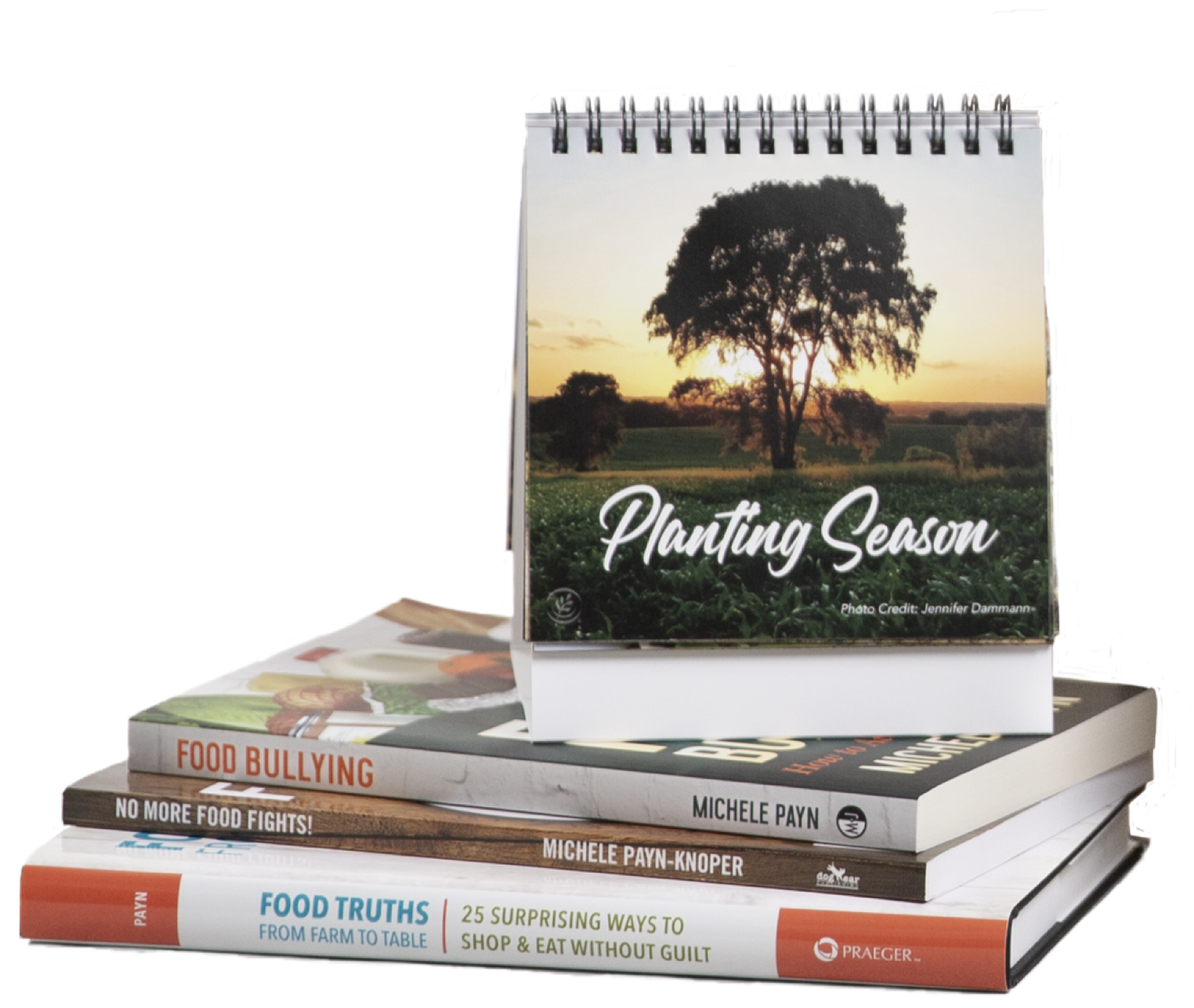
Amy Hays and Michele Payn created a system to help you cultivate personal science story. Science Story Speak offers 180 full-size pages in a spiral-bound workbook, filled with interesting stories, practical examples, and research around farm and food.
More than 40 hands-on exercises, neuroscience insights, storytelling techniques, and step-by-step guidance, "Science Story Speak" equips you with the tools to:
- Build credibility and trust
- Make science more approachable
- Normalize evidence-based decision making
- Grow science literacy in your community
How does the system work?
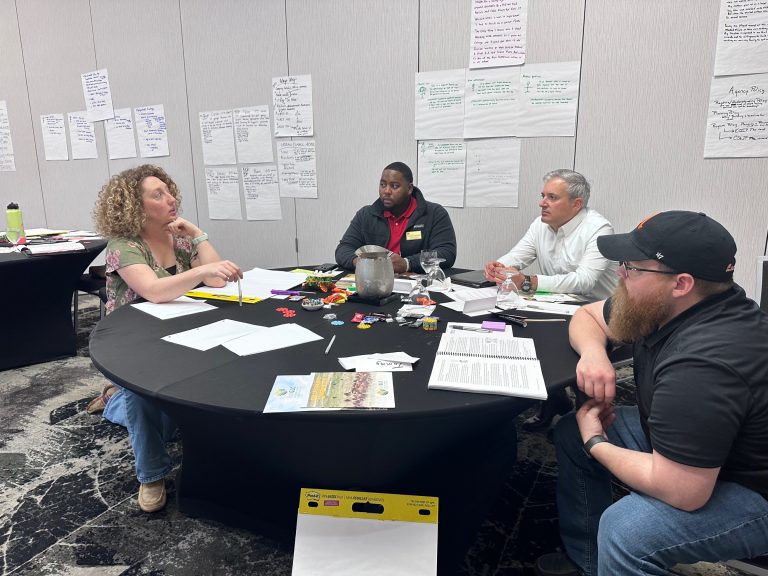
Michele and Amy customize every Science Story Speak workshop by selecting units and chapters from the workbook that directly match your organization's communication challenges and audience. Whether you need a 2-hour breakout session, a half-day training, a full-day workshop, or a multi-day immersive, the workbook travels with participants and becomes a resource they return to long after the training ends.
You provide the space and the people. We'll build the experience.
“Science Story Speaks allows us to highlight the absolute need for communication skills. The importance of understanding brain science and translating that to useable skills in sharing targeted information that meets our mission and vision in support of the nation’s grazing lands producers.” ~ Kimberli Stine, National Grazing Lands Coalition
“Science Story Speak will change the way that I interact with my customers, my colleagues and the public about agricultural principles, in the best way possible. This course gave me permission to acknowledge my personal ag journey and use that narrative to relate to topics from farm legacy to chicken welfare. I was so impressed by the breadth of knowledge of Amy and Michele, and I am thrilled to have learned from them in such a comprehensive manner.” ~ Kelsey Ramerth, NRCS
What's Inside: 17 Chapters Across 5 Units
Unit 1: Connecting with audiences
- Chapter 1: Targeted personas – Learning how to identify target audiences, understand bias, develop personas, and find their motivation. This will help you prioritize who you can influence, relate to them in a more meaningful way, and learn how to use emotional intelligence tools.
- Chapter 2: Connection points – Why do you need to ask questions, look for hot buttons, and show appreciation for your audience’s interests? This chapter helps you relate to people in a more meaningful way by connecting at the heart level.
- Chapter 3: Generational intelligence – Finding an appreciation to solve different problems across generations. You’ll develop an understanding of strengths and weaknesses of each generation and how to work differently to achieve shared goals.
Unit 2: Communicating effectively
- Chapter 4: Adult learning – Discovering how to focus on the learning experience through Knowles four assumptions of adult learners. You’ll take away how you can relate to specific experiences that your target audience may have had to make science more relevant to them.
- Chapter 5: Knowledge brokering – Looking at learning preferences and ways people connect to information. Explore why information, knowledge, data, and education are different methods to drive the conversation.
- Chapter 6: Mastering messaging – Making science approachable through conversation is critical to your ability to relate to your targets. You’ll learn how reframe to “why”, different techniques to reach audiences, relating content to connection points, and categorizing hot buttons by using choice, connection & competence motivators.
- Chapter 7: Environmental Ethos – Understanding the context around how people view their role in the environment. In this chapter, you’ll examine how generations may view environmental problem-solving from different perspectives
Unit 4: Normalizing science in decision making
- Chapter 12: Putting neuroscience to work – How does neuromarketing and the prefrontal cortex affect perception around agriculture, science, and natural resources? Learn how both brain and behavioral science play a role in the decision-making around the environment and modern day agricultural practices.
- Chapter 13: Standing out in a noisy world –Understanding public belief in misinformation and disinformation surrounding the science of farm and food is essential as you connect with those outside of agriculture. Managing information has become a critical skill in the noise of today’s soc
iety; you’ll learn how to compete for space in the conversation in this chapter. - Chapter 14: Applied critical thinking – How do you help audiences go beyond knowledge and awareness through meaningful messaging that spurs critical thinking. Help your target audience understand how to decipher and evaluate messages to better inform decisions.
Unit 5: Taking action to influence understanding
- Chapter 15: Selecting your platform – Where can you best connect your science story with your target audience? You’ll learn what content and techniques perform best on different platforms, as well as engage in hand-on learning for presentations, social media, and casual conversations.
- Chapter 16: Establishing your timeline –Making a plan to move from awareness to action. this chapter will help you evaluate where your story messaging is on the learning continuum and determine how to fill the gaps.
- Chapter 17: Developing your Science Story Speak action plan – Pulling all of the steps together to create your tailor-made science story to influence and impact your target audience. You’ll work through templates to address who, what, why, when, where, and how to take home and put into action.