You choose: grocery guilt or food love?





Let’s change the conversation about food, starting February 14-15…
Do you feel guilty about nearly everything you put in your grocery cart or on your plate? Friends tell me they find food confusing because all they really want is great tasting, affordable, healthy food for themselves and their families. They would love to know where to get information enough to feel good about their decisions.
The politics and propaganda concerning the food on our plates is a frustrating problem for all of us. Join me in bringing peace to the plate. Can you help with that, starting on Valentine’s Day?
I’m like many people who don’t enjoy buying food anymore because of the drama around food. An excerpt from the introduction to the food side of No More Food Fights! explains why.
The guilt starts in the produce section, which you’d think would be another feel good place for a mom with a young child. But we live in the Midwest. Fruit and vegetables only grow here only a few months of the year, so there’s no way we can always buy local. Being a “locavore” is fashionable, but will Midwesterners really settle for potatoes, turnips and a few apples all winter? Should we ban bread in Las Vegas?
Then I look at the organic foods and wonder if I’m a terrible mom for not spending the extra dollars on that “luxury.” I think of friends who grow products conventionally and organically and know both are a good choice—there’s no need to feel guilty if you choose to not buy or simply can’t afford organic.
Feeling annoyed, I’m thankful the bread aisle is next. My family loves bread—preferably homemade, but reality doesn’t allow for that to happen too often so we buy bread. Whole grain, which is supposed to be the “right” thing to do, but then I remember hearing something about grain belly, growing tumors from the biotech products in that bread and poisoning our family with gluten. Oh the rumors!
So much for doing the “right” thing! Thankfully, a dietitian is in the aisle talking about the science showing the need for balance in a diet. I just know it’s overwhelming to select from 75 varieties for a simple staple item and another 20 when we need bagels. Ugh! Is it time to go home yet?
Venturing down to the meat case not a good choice, as I look at the steak that’s claimed to be chock full of hormones, pork from pigs supposedly crammed in cages and chicken breasts laced with antibiotics. Then I remember that vegetables like broccoli and cabbage actually have more hormones in them than meat, the environments that pigs live in are luxury resorts as compared the mud pits of yesteryear and science that shows humans use five times the level of antibiotics of those we use in animal agriculture.
As I reach into the meat case, I’m overwhelmed with disgust remembering sensationalized abuse videos that animal rights groups like to “release” to the nightly news. And even if animal rights messages don’t make me feel guilty for being a carnivore, I think of Meatless Monday and how my hamburger is supposedly causing the planet to melt. I nearly knock over another shopper in my haste to get away from the meat case!
Then it’s time to look at milk, which used to be chosen based upon percentage of fat (skim, whole, etc.). Now dairy labels claim more things than my hairspray—antibiotic free, hormone free, no rBST, organic, grass fed and happy cows on marijuana.
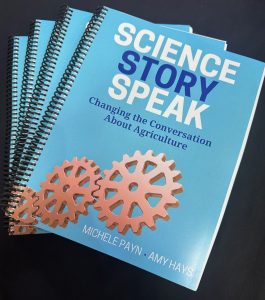
The last is an exaggeration and there are a whole lot of questionable claims in that sentence, but you’ll have to read “No More Food Fights” for the full story. There you’ll find the story about a bitten tongue, Advil, water bottles (and landfill guilt), confusion over the high cost of questionable food and a fellow shopper ranting about the farm bill while the person behind me paid with a Supplemental Nutritional Assistance Program (SNAP) card.
Why does food have to be so complicated? The end result of the soap opera in the grocery store means I don’t feel very good about what ends up on my family’s food plates. How about you?
In the spirit of Valentine’s Day, let’s work a little harder to meet in the middle. I’m inviting you to share some #foodlove (if you’re a tweep) or Food Love (for normal people). It’s simple; extend your hand across the plate to engage in a positive conversation about food—in person, through a blog, or on Twitter, Pinterest, Facebook, YouTube or Linkedin. Copy “Share the food love” if it will help—you’re welcome to use the graphic or grab a copy of the book.
When my family sits down to a meal, the last thing we want to worry about is what kind of statement our food is making. Food is about nourishment, and the meal is about spending time together as a family. Won’t you join in celebrating food without the guilt? Let’s share some food love!