

Pecking order isn’t pretty




Warning – you may change the way you look at animals. You see, chickens are cannibals. They will peck and peck at each other until…well, you know. They are also amongst the world’s largest scavenger population. Chickens don’t just wait for a farmer to thrown corn down and happily peck the ground. They will eat what they find. Corn. Bugs. Feces. Garbage. Oats. Worms. Each other.
Wait…what? Yes, I said chickens will eat each other. Chickens are omnivores, which means they eat both plants and animals. They will injure one other, bully a weaker chicken and eat a sick bird. Animals naturally operate in a hierarchy that ensures survival of the fittest. While it may seem gross to you, animals follow this hierarchy even when that doesn’t fit into idyllic images of farms.
Before you get too grossed out and never eat an egg again, let me explain why I’m sharing this. There is a differentiating factor between humans, companion animals and farm animals. Please keep eating your eggs and meat; both are essential sources of protein.
Yet, it’s important to understand animal behavior – even when it is gross – if you’re going to judge animal welfare. That’s called full transparency and it’s not always pretty. The American Veterinary Medical Association defines animal welfare as “the state of the animal; the treatment that an animal receives is covered by other terms such as animal care, animal husbandry and humane treatment.”
It is a farmer’s job to protect the state of the animal, in concert with professionals like veterinarians. It is not a simple task; there are actually college degrees and academia who focus exclusively on the care of poultry. Protecting the state of the animal involves science, patience, the ability to read animals, and protocols.
One of the way farmers protect chickens from each other by beak management. This technique, similar to trimming toenails, keeps the beak blunt so they can’t peck each other. Is it cruel? Not unless you consider trimming your nails cruel.
However, taken out of context, with no knowledge of what animals can do to each other – a video or photo of a chick having its’ beak trimmed can look awful. Please pause when you see these images and think about context. Why would a farmer use that practice with animals? What is the consequence if they don’t?
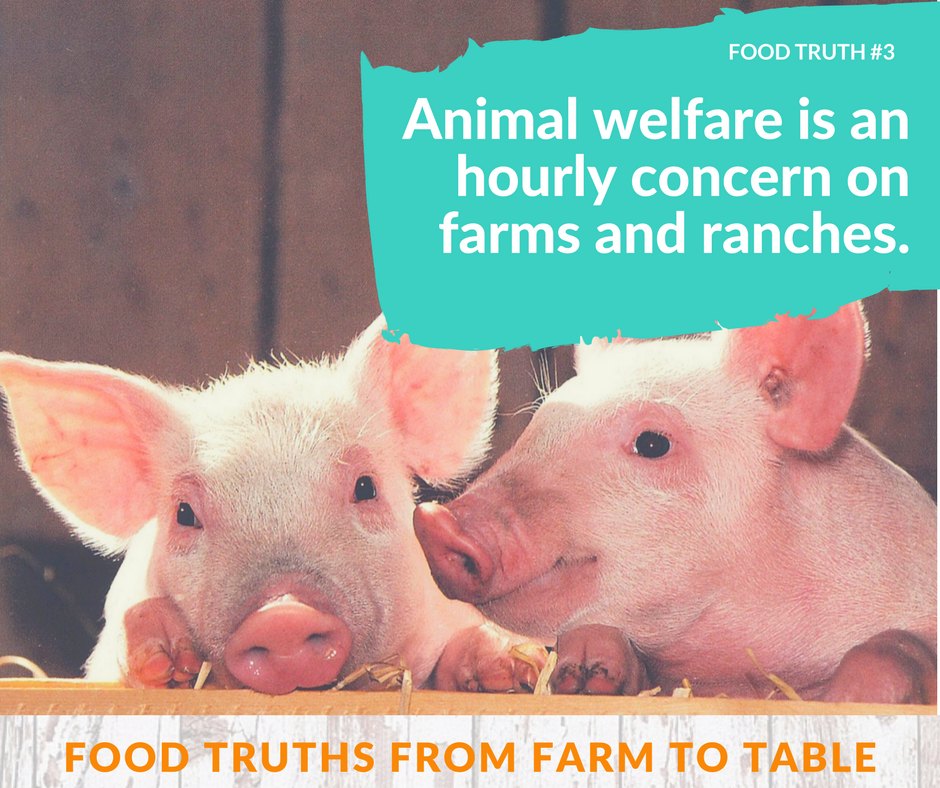
Today’s chicken farms are highly regulated; most chickens live in a temperature controlled barn so they are not out in the heat or snow. They have access to food and water 24 hours a day. They have a belt that takes away their manure. And contrary to some claims, laying hens are not fed growth promotants or antibiotics. It’s illegal to do so.
However, hens are vaccinated for salmonella through their breast bone, which has been attributed to improving food safety. Cages have also prevented diseases from spreading since they have limited exposure to other birds. As Willamette Egg Farms in Oregon state “Simply put, healthy hens lay the best eggs. We are committed to providing our hens with the best possible living environment.”
Read more at Food Truths from Farm to Table to arm yourself with 25 truths you urgently need to know about food so you can shop without guilt, confusion, or judgment. A new book, Food Bullying, releases November 5 to upend the way you think about eating choices.
2 Comments
Leave a Comment
You must be logged in to post a comment.


Ive seen pigs eat their own piglets… In fact I had to pile up the dead and throw them away. I was ten years old. They will also eat humans. Perhaps that will induce rights activists to view a more level playing field.
Unfortunately, animals will be animals.