Should you eat food you can’t pronounce?




Would you eat an egg with ‘amino acids, phenylalanine, octadecenoic acid, sugars, colors E160c & E306, flavors phenylacetaldehyde & acetone – also contains benzene & sulfur’ on the ingredient label?
What about blueberries labeled with the following ingredients: sugars made up of 48 percent fructose, fatty acids like linoleic acid, flavors ethyl ethanoate & hydroxylinalool and colors E163a & E163e?
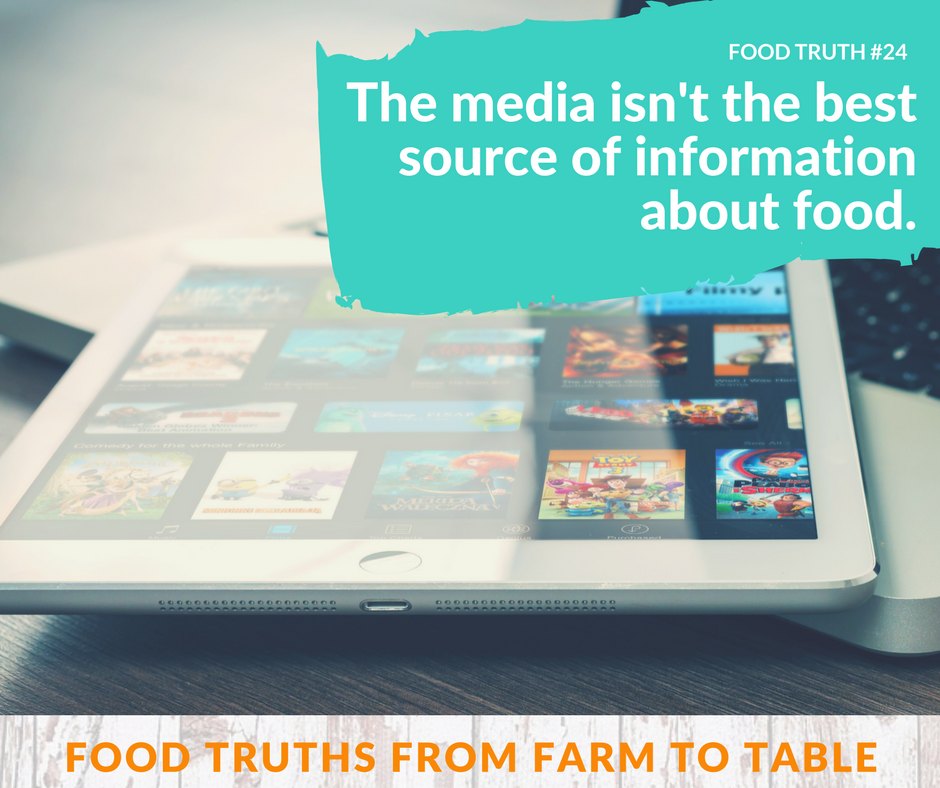
Food elitists often promotes “Don’t eat what you can’t pronounce.” I beg to differ – I love blueberries and keep them stocked in both of my freezers. Eggs are nutritional powerhouse for my family. I may trip over my tongue while trying to pronounce all of those ingredients, but why should a journalists or social media be telling me what to eat?
As the Business Insider article featuring Kennedy noted, “Marketers often feed off consumer’s concerns that “man-made” chemicals are bad. But the fact is that all foods (and everything around us) are made up of chemicals, whether they occur in nature or are made in a lab.”
Science does not make for sexy sound bites, but it’s a whole lot more reliable than a journalistic opinion. Turn to science, not away.
Let’s get back to common sense and critical thinking. Scientific names can be scary. Chemical names can be scary unless you’ve taken high school chemistry. In fact, food ingredients can be downright overwhelming. But media claims should not negate the nutrition or value an ingredient or farming practice brings to your food plate. Stand on science.
So what are you supposed to believe? My hope is that you’ll turn toward farmers and ranchers if the question is about a particular practice in food production. If a concern is about nutrition, find a registered dietitian who should be making science-based recommendations versus their personal opinion. If it’s about an additive or processing technique, look up a food scientist or an authoritative (credentialed) food science book or organization webpage.
Find experts who use science, and do not sensationalize. Focus first on the source, considering who is presenting the information, what their credentials are, and what their incentive is for presenting the information.
These are some of the most common questions:
- How is by food being produced? Ask a farmer; they can give you great detail about today’s farming, how practices are done and why.
- I have dietetic concerns, what should I be eating? Rely on a registered dietitian (RD), the Academy of Nutrition and Dietetics requires them to make science-based recommendations rather than on personal opinion about production style.
- What about the article I read citing science? Check the science, check the source, check for common sense. Critical thinking is your friend.
Read more at Food Truths from Farm to Table to arm yourself with 25 truths you urgently need to know about food so you can shop without guilt, confusion, or judgment. A new book, Food Bullying, releases November 5 to upend the way you think about eating choices.