Skip the antibacterial soaps and hand sanitizers




Bacteria are bad, right? Gross little creature that make us sick? Not quite; there are good and bad bacteria. You need some to maintain a healthy digestive system, yet others can kill you.
Bacteria are microscopic living organisms, usually one-celled, found everywhere. And yes, your gut houses a whole bunch of them! They are even under your fingernails and all over your skin; you’re actually the host to about a trillion bacteria. Bacteria can make you sick or be beneficial, such as those in your gut.
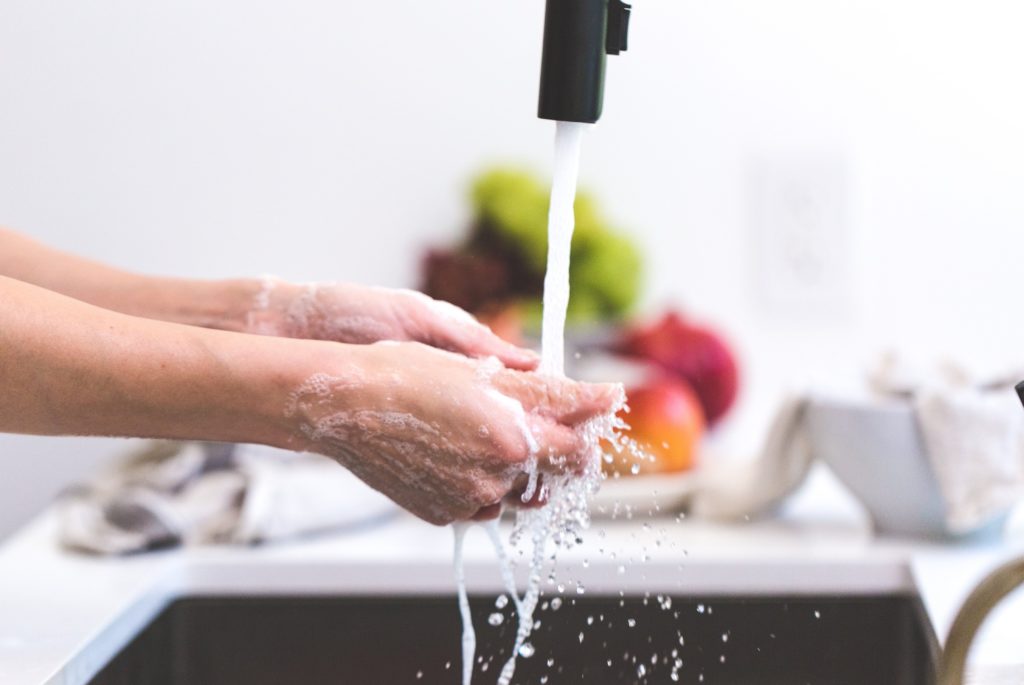
Interestingly enough, antibacterial soaps don’t necessarily solve the hand-washing problem. The FDA announced in 2014 manufacturers have to show over-the-counter antibacterial soap is both safe and more effective than conventional hand washing. Given the amount of anti-bacterial use amongst the mom crowd, this could cause a bit of hysteria. No need. There’s a simple answer. Wash your hands with soap for 15-20 seconds. It’s simple.
“Clean hands save lives” is the CDC’s mantra. They indicate washing hands with soap and warm water is the best way to reduce the number of microbes in most situations.
Turns out the same is true for your fruit, but skip the soap.The FDA does not recommend washing produce with soap, detergent, bleach or commercial washes. Rather:
- Handle produce with care to minimize bruising
- Wash in cold water
- Dry off any excess water
- Keep produce that is supposed to be kept cool in the refrigerator (set at 40 degrees F or below)
- Dispose of any fruits or vegetables that look like they are going bad
Washing your fruit and handling it properly goes a long way towards food safety. Don’t assume fruit are laden with chemicals. In other words, they can’t be sprayed right before harvest and the fruit is certainly not “drenched” in chemicals, as some claim.
What’s that waxy feel on your apple? Food-grade wax put on at the packing house to help preserve the apple. What’s the white stuff on your grapes? A harmless coating that the grape plant naturally produces to keep moisture in the grapes. Wash and wipe; these substances will go away.
There is also the bad side to bacteria, usually in a less controlled environment, such as when your fruit decomposes into brown mush in the back of your refrigerator.
The bacteria causing fruit and vegetable to spoil actually won’t harm humans, though they can make the produce mushy, which is more attractive to human pathogens such as Salmonella. E. Coli and listeria are another example of bacteria that causes human illness. These are the bacteria that can make you sick.
No system is perfect, including agriculture. However, it’s good to know there are benchmarks and audits protecting your fruit. At some point, a consumer has to balance if they are more comfortable with pesticide use in food production or the potential for bacteria. I always go with what science supports, which means I’m O.K. with pesticides used responsibly.
Whether it’s in the fruit aisle or with meats served at a restaurant, we need to consider food safety. If we continue to put so much pressure on farmers to produce more with less while increasing regulations, we will be importing significantly more food.
Read more at Food Truths from Farm to Table to arm yourself with 25 truths you urgently need to know about food so you can shop without guilt, confusion, or judgment. A new book, Food Bullying, releases November 5 to upend the way you think about eating choices.