




Have you ever been overweight? I was while in junior high and know the pain of being a “fat kid.” I learned that exercise and monitoring food intake worked to lose 20 pounds after my eighth grade year. It’s a lesson that has reminded me to stay in shape throughout my life. Burn off what you consume or face the consequences.
While volunteering at our school’s field day this week, I was saddened by how many kids apparently haven’t learned the necessity of being active. I’ve noticed a lot of overweight kids while volunteering at school, but had no idea how prevalent inactivity was. Rather than playing kickball (a childhood favorite) or several of the other outdoor activities, they’d rather sit in the shade. There was a marked decrease in interest in physical activity as the kids got older.
Everyone points to technology and television as the demise of young people playing outdoors. That has a lot to do with it, but I don’t think it’s the whole story. How about we take personal responsibility for teaching children about what’s on their food plate? What about physical education so children understand exercise isn’t just for the athletic kids? And when did we forget to teach kids about food?
Frankly, I think adults need to shoulder responsibility for overweight children. Many in our society have found it’s easier to park a child in front of the TV set or computer rather than spend time outside exercising. Before I go off on that mom tangent, I’ll simply say that setting an example teaches more than any words.
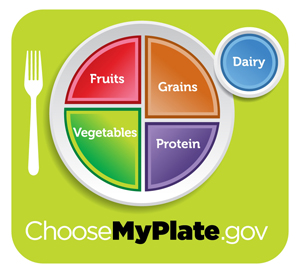
What do you think of USDA's new guidelines?
Understanding nutrition is perhaps an even greater responsibility than exercise because meals happen nearly 1,100 times a year. Today USDA released new dietary guidelines to try to help with our nation’s lack of “food literacy.” It’s a simple visual on needed food groups and portions. I hope you’ll share https://www.choosemyplate.gov with every parent you know. Suggestions for types of foods are also given, as well as examples of portions.
Some have tried to tell me that this plate doesn’t meet their dietary or specific health needs. I don’t believe it’s designed to be a fix-all, but Choose My Plate is a guideline. It’s impossible to come up with a program that is going to meet every single person’s need. How about we focus on the need to increase American’s understand of the types and quantities of food rather than our individual needs?
Food has become so contentious. I’d suggest that before parents worry about all of the labels and buying the “right kind of food”, they take a hard look at their children’s food plates. Our family doesn’t always get it right in our kitchen, but try to strike a balance. We had an ice cream dinner to celebrate academic achievement earlier this week, followed by a lunch of lettuce and spinach from our garden plus some exercise time.
Until our society can get nutrition right and get the next generation moving, I’m not convinced we should spend so much time arguing about organic, biotechnology, animal welfare, local, etc. How can you help a young person better understand their food plate?
0 Comments