
Cause Matters Logo White

Farm to Fork Communication

Latest Posts

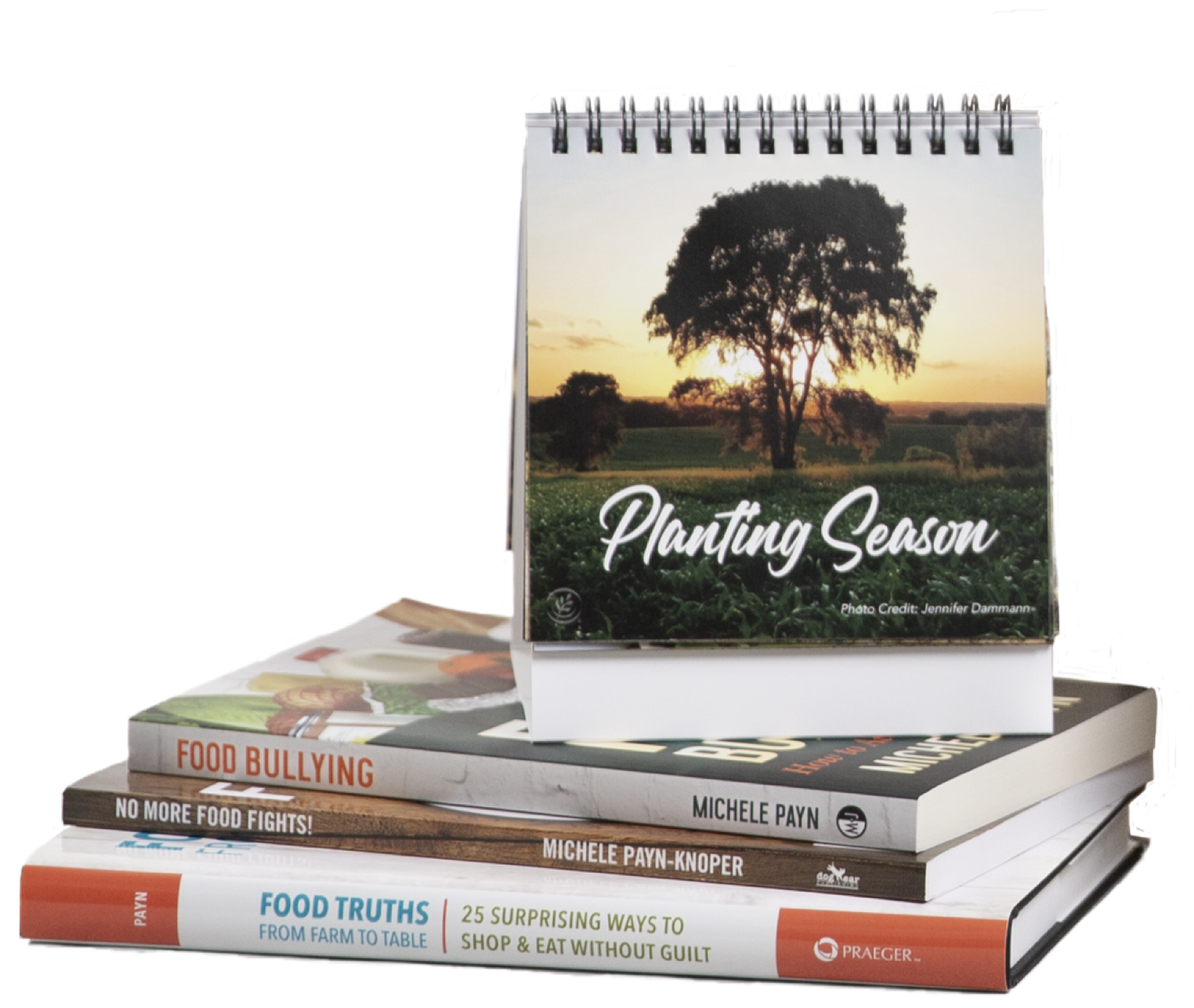
Why food makes you feel so guilty

I have spent more than two decades connecting farm and food, collecting hundreds of food bullying stories from friends, audience members, farmers, dietitians, and consumers across North America. What I hear, over and over, is not confusion about which label to choose. It is exhaustion. Guilt. The feeling that no matter what you put on the table, someone is going to tell you it is wrong.

read more...

Do dollar stores help meet dietary needs? Episode 132

Are dollar stores making Americans less healthy? Tufts food economist Dr. Sean Cash has studied 50,000 households to find out – and the answer isn’t what most nutrition professionals assume. His findings on compensatory purchasing, rural food access, and the online grocery labeling gap will change how you advise patients.

read more...

The gluten lie: Episode 130

Kansas dairy farmer and registered dietitian Heidi Wells unpacks the gluten myth, organic versus conventional farming, and how food misinformation stresses farmers – practical clarity for dietitians and agricultural organizations navigating nutrition noise.

read more...

The heart of the wheat kernel: Episode 125

OSU wheat breeder Dr. Brett Carver confirms wheat is not GMO, gluten hasn’t changed in centuries, and the real cause of sensitivity may be FODMAPs – not gluten. Essential science for dietitians and agricultural organizations navigating wheat and gluten misinformation.

read more...

Big bad agriculture: a transparent look at their science & safety

The biggest misconception about my work is that agriculture companies place pesticides or biotech products on the market without testing them for safety. The fact is that agriculture is one of the most strictly regulated and thoroughly investigated industries in the world. Agriculture companies must strictly follow local and international regulatory guidelines and conduct hundreds of safety studies before launching a product.

read more...

Building up data for dietitians: Episode 120

“You can’t talk about what’s on the plate if you don’t know how it got there.”

As the founder of Build Up Dietitians, Leah McGrath has created a space in which dietitians at all stages in their careers (including students), can learn more about just that – and provides avenues for evidence-based practitioners to gain a better understanding of agriculture practices.

read more...

Separating fact from fiction in food & farming: Episode 118

Grocery store costs are crazy, but what costs have gone up on farms? Are fields sprayed with “such harsh pesticides” that workers can’t enter the fields?  Is hydroponic farming the wave of the future when it comes to leafy greens?  Should you be worried about lead in soil?  Michele helps Nicole separate fact from fiction on these topics and more. 

read more...

The great pumpkin! Episode 116

Pick a pumpkin – but what kind?  A self-proclaimed Professor of Pumpkinology, John Ackerman is the owner and operator of the farm bearing the same name that has been in his family for over a century.  And while you may hear “pumpkin” and think of the jack-o-lantern variety, he and his wife grow 100+ pumpkin breeds!

read more...

Fish farming, fear, and your food: Episode 114

Arkansas fish farmer Mike Freeze makes the science-backed case that farm-raised fish are as safe as wild-caught – and explains why country of origin, water quality, and antibiotic regulations matter more than the “wild” label. Essential listening for dietitians and agricultural organizations.

read more...

Holistic animal agriculture for nutrition pros: Episode 111

If everyone went vegan, greenhouse gas emissions would drop by 2.6% in the U.S. – not the planet-saving shift most people assume. Colorado State sustainability scientist Dr. Kim Stackhouse-Lawson brings peer-reviewed data to the animal agriculture and climate change conversation, including why cattle methane is fundamentally different from fossil fuel CO2.

read more...

Health & environment priorities to beef producer: Episode 109

California rancher Alli Fender answers questions on hormones, antibiotics, and other buzz words within the meatcase.  While consumers may be fed content that drives fear and reinforces a negative connotation about beef, Fender spends a significant amount of time explaining the “why” behind using certain types of feed at the Flying F Ranch.

read more...

Cows with attitude & dairy debates: Episode 106

Derek Josi is approaching one million social media followers as a dairy farmer who doesn’t ignore misinformation – because silence makes it worse. He addresses the dairy case questions consumers are actually asking: is there pus in milk, what do water usage statistics really mean, and are dairy alternatives nutritionally equivalent to milk?

read more...

mRNA, myths, & why science in food matters: Episode 104

Dr. Folta emphasizes that technology has given us access to the safest, most abundant food supply in human history, and this access is worthy of appreciation – not fear. He wants dietitians to look for the evidence behind mRNA and genetics in food, rather than believing clickbait. As new technology continues to help strengthen our food system, communicating the science behind it will strengthen consumer trust.

read more...

Ranching, your relationship with food, & wellness: Episode 103

The biggest hurdle for so many people pursuing health and wellness, including healing their relationship with food and being intentional about nutrition, has so much more to do with their mental and emotional state that we often realize. I believe that health should be pursued in a holistic approach, not sacrificing one aspect of health while in pursuit of another. 

read more...

Farm monoculture myths & soil nutrients: Episode 102

Is monoculture farming destroying soil health? Jennie Schmidt is a registered dietitian who left clinical practice to become a full-time farmer – and she’s heard every version of that claim. She explains what monoculture actually means, why cover crops matter more than the label suggests, and what healthy soil really looks and feels like.

read more...