





Artificial insemination in cattle: the science behind your beef and dairy
 When you hear "AI" in agriculture, it's not about computers. It's about one of the most important tools in modern cattle production – and one that directly shapes the beef and dairy that reaches your table.
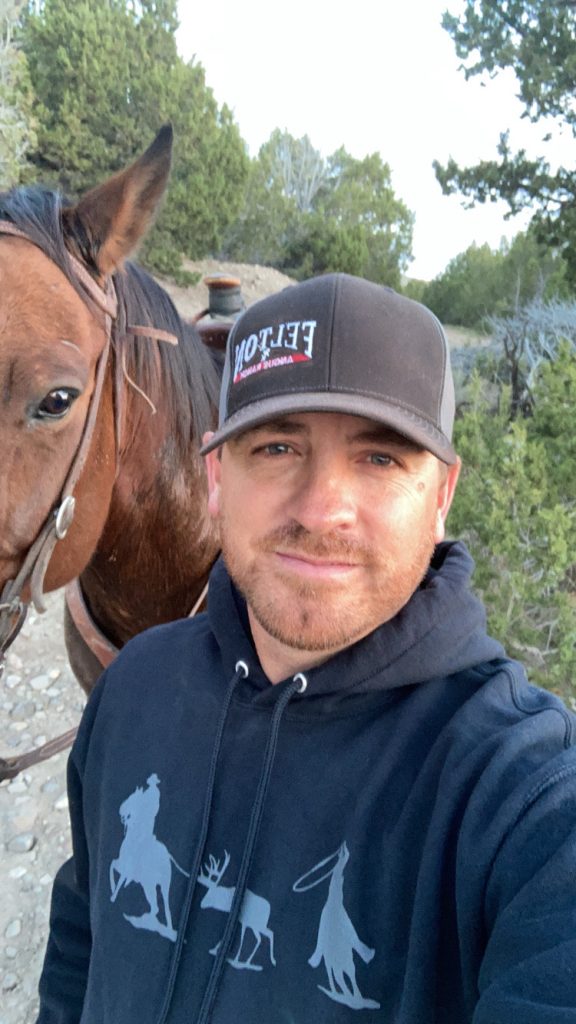
Brady Blackett is a fourth-generation cattle producer from Utah and co-founder of the Intermountain Genetic Alliance, known as IGA Bulls. He joined the Food Bullying Podcast to explain how artificial insemination works, why it's genuinely good for animal welfare, what it means for the environment, and why the grass-fed superiority narrative deserves more scrutiny than it typically gets.
What artificial insemination actually is – and why it's used
Artificial insemination in cattle allows producers to synchronize a cow's estrous cycle and then breed her using semen from genetically selected bulls, rather than relying on natural service. The benefits flow in multiple directions.
In beef production, AI compresses the calving interval – the window during which calves are born – into a much shorter, more manageable period. That consistency makes labor planning more efficient and produces a more uniform group of animals that can move through the market as a matched set. It also gives producers access to the best genetics available industry-wide, not just whatever bulls happen to be standing on their property.
In dairy production, the reasons are partly practical and partly safety-related. Dairy bulls are, as Blackett puts it directly, dangerous. They're large, unpredictable, and have injured and killed farm workers. Using AI eliminates that risk entirely while also allowing dairy producers to manage lactation cycles precisely across the herd.
Animal welfare and the "rape rack" myth
Among the more inflammatory claims made by some animal activists is that artificial insemination constitutes a form of sexual assault on cattle. Blackett and Michele address this head-on – and the biology refutes it clearly.
Cows are not sexually receptive outside of their estrous cycle. A cow in heat will stand willingly to be mounted – by other cows, by bulls, by anyone approaching during that window. Every other day of the year, she won't. AI is performed exclusively during that standing heat period when the cow is physiologically ready to conceive. There is no procedure being performed on an unwilling animal.
The mechanics of AI also matter. A certified AI technician uses a breeding gun approximately the size of a drinking straw. Technique requires gentleness – anyone who has worked with cattle knows that an animal that doesn't want a procedure performed will make that known forcefully. Cows are large, strong animals that respond physically to discomfort. The process works precisely because it doesn't cause distress.
Blackett completed his AI certification through ABS (American Breeder Service) at 18 years old – a three-day course covering anatomy, technique, heat detection, and a full day of field training with live cattle under instructor supervision. Certified AI technicians understand bovine reproductive anatomy in detail and are trained specifically to perform the procedure safely and humanely.
Want to bring the real story of beef production, animal welfare, and agricultural science to your next event? Michele Payn speaks to agricultural organizations, agribusinesses, and dietitian associations on food bullying, consumer trust, and the science behind modern farming. Book Michele to speak →
Biosecurity: AI reduces disease transmission in herds
Natural service bulls can spread reproductive diseases through a herd rapidly, partly because cattle don't always show symptoms and partly because they have no mechanism to avoid spreading illness. AI creates a biosecurity barrier. All breeding stock sold through the Intermountain Genetic Alliance undergoes a breeding soundness exam and disease testing before sale. Semen is evaluated for quality and freedom from pathogens before use. The result is a significantly lower disease transmission risk compared to natural service.
This is one reason dairy operations have moved almost entirely to AI. The combination of bull danger and biosecurity risk makes natural service in a large dairy herd both impractical and unnecessarily risky.
How AI improves feed efficiency – and what that means for the environment
One of the most important traits AI allows producers to select for is feed efficiency – the ability of an animal to convert feed into pounds of beef or milk using less input. As population grows and available land decreases, agriculture is consistently asked to do more with less. Selecting for feed-efficient genetics through AI is one of the most direct ways cattle producers contribute to that goal.
Cattle on range convert what is called dry matter – a standardized measure of feed across different forage types. AI allows producers to identify which genetics perform best on a given landscape and breed specifically for that efficiency. The environmental math is straightforward: more efficient animals require less land, less feed, and produce less waste per pound of beef or milk.
Blackett is direct about the broader implication: grass-fed beef is not inherently more sustainable or nutritionally superior just because the label says so. The efficiency of the animal, how the land is managed, and what genetics were used matter far more than whether the marketing uses the word "grass-fed." All beef cattle graze at some point in their lives. The label doesn't tell you how efficiently that animal converted its feed, how the land was stewarded, or whether the genetics driving that animal's performance were selected thoughtfully.
The human medicine connection to cattle reproductive science
This is one of the least-told stories in agriculture's relationship to human health. Much of the early research that led to in vitro fertilization and embryo transfer in humans was conducted in cattle – because the bovine and human reproductive systems are remarkably similar, and because cattle are practical research subjects at a scale that human studies can't match.
The hormone therapies and fertility treatment protocols that have helped thousands of families achieve pregnancy draw directly on decades of reproductive research in cattle. Blackett and Michele both completed AI certifications that included hands-on anatomy training with reproductive tracts from culled cows – essentially a cadaver lab for bovine anatomy that mirrors what medical students do with human tissue.
The science connection runs deeper than most consumers realize, and it adds another dimension to the argument for supporting cattle agriculture: the industry that feeds people has also contributed significantly to helping them have families.
Why grass-fed beef labeling doesn't mean what consumers think it means
Grass-fed has become one of the most successful premium positioning strategies in the meat case. Blackett's perspective – coming from someone who raises beef and has spent his career studying cattle genetics – is that the label is more marketing than meaningful distinction for most consumers.
All beef cattle in the U.S. graze at some point in their lives. What differentiates grass-fed as a label is primarily the finishing stage – whether animals continue on forage through harvest or transition to a grain-based diet. The nutritional differences between grass-fed and conventionally finished beef exist but are modest. The welfare and environmental claims attached to the grass-fed label depend entirely on how the specific operation manages land and animals – not on the label itself.
When Blackett buys beef for his own family, he buys local and direct from producers he knows – not because of a label, but because buying direct keeps money in the local economy, gives him direct knowledge of how the animal was raised, and allows the producer to capture more of the retail margin that otherwise goes to consolidated processors. That's his standard for beef – not a grass-fed claim on a package from a producer he's never met.
Connect with Brady Blackett: Find the Intermountain Genetic Alliance on Instagram at @IGAbulls and on Facebook, or connect with Brady directly on Instagram at @bradyblackett.