



 Eggs and beef are safe – and a Kentucky farmer is here to tell you why
If you've been wondering whether avian flu means you should stop buying eggs, Andy Bishop has a direct answer: no.
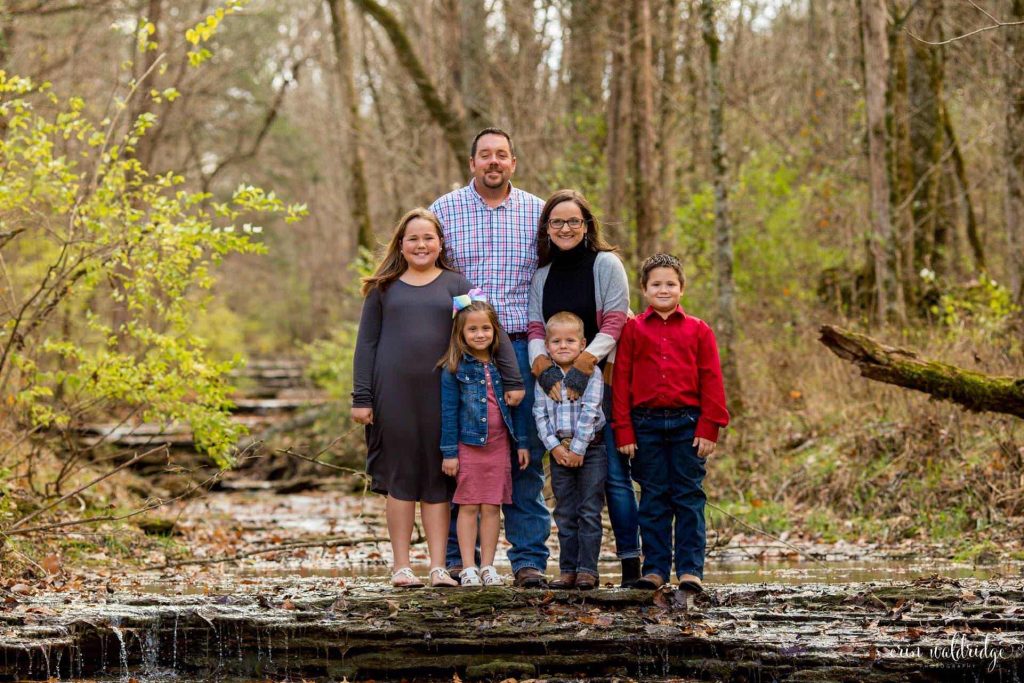
Bishop is an agriculture lender, former poultry producer, and co-owner of Fairfield Farms Angus in Bardstown, Kentucky, where he and his wife Meagan raise Angus cattle alongside their four children. He also serves as chair of the Cattlemen's Beef Board in Kentucky. He joined the Food Bullying Podcast with a clear agenda: cut through the misinformation surrounding animal proteins, explain what's actually driving egg prices, and make the case that what's in the meat case at any grocery store is safe, nutritious, and produced by farmers who care deeply about doing it right.
Are eggs safe to eat during an avian flu outbreak? Yes.
Avian influenza – HPAI – poses a serious risk to poultry flocks. It poses zero risk to consumers eating eggs or poultry products. Bishop is unambiguous on this point, and the science backs him up. HPAI is not transmitted through egg consumption. The risk is entirely to the birds, not to the people eating what those birds produce.
What HPAI has done is devastate poultry numbers. When a flock tests positive, euthanization is the only available response until a viable vaccination program exists. Millions of birds across the country have been depopulated. Those barns then sit empty for a period before they can be restocked. The result is a straightforward supply-and-demand problem: fewer birds, fewer eggs, higher prices – and a lag in recovery that keeps prices elevated even after the immediate outbreak passes.
Consumer trends have compounded this. The shift toward free-range and pastured eggs over the past decade has fragmented supply in ways that make the system less resilient when disease hits. More on that below.
What depopulation actually costs a farmer
The financial math of depopulation is brutal – especially for pastured poultry operators who carry 100% of the risk with no insurance backstop. But Bishop is quick to note that the financial toll isn't the hardest part.
He speaks from experience, having depopulated his own flock – not from HPAI, but from another pathogen that entered through contact with wild animals. The emotional weight of losing an entire flock, animals that are part of daily routines and deeply tied to a farmer's sense of responsibility, is something the agriculture community rarely discusses openly.
Bishop did: it was a low point. He felt like he had failed, even though the pathogen's arrival was entirely outside his control. That feeling – ownership over outcomes you can't always prevent – is at the core of why farmer mental health is such a persistent challenge. The stress of depopulation, the financial hit, the empty barn, and the pressure to start over without certainty compounds quickly.
For dietitians working with rural communities, this context matters. The people producing your patients' food are navigating this kind of pressure regularly.
The real story on egg labels: free-range, pastured, conventional
Marketing has done an effective job creating distinct segments in the egg case. Bishop's honest assessment: all eggs are nutritious. The nutritional differences between production methods exist, but they're subtle – not the dramatic gap that price differences might suggest.
What does differ significantly is the production challenge. Bishop raised pastured organic birds and describes it as an extreme challenge. Barn doors stayed open year-round – in Kentucky winters and summers both – to meet free-range requirements, regardless of whether birds actually went outside. Wildlife pressure was constant: hawks, predators digging under perimeter fences, and eventually a pair of bald eagles nesting nearby that took three to four birds a day for weeks with no legal recourse available.
Because the birds were organic, antibiotics were off the table even when a disease could have been meaningfully treated with them. That constraint contributed directly to his depopulation event.
The premium price on pastured eggs reflects genuine production difficulty, not meaningfully superior nutrition. If a consumer wants to choose that production method because they value how the bird is raised, that's a legitimate choice. But it isn't a health decision – and dietitians can help patients understand the difference.
Bishop frames the plant-based narrative as a marketing success that has come at the expense of nutritional clarity. His comparison is straightforward: animal protein in its whole form is one ingredient. A typical plant-based meat alternative lists 38 to 50.
Animal proteins – beef, pork, chicken, eggs – don't need to be processed, fortified, or engineered to be nutritious. They arrive that way. The push to position plant-based products as the sustainable, health-forward alternative obscures that fact, and it's one Bishop sees reinforced constantly through social media algorithms that spread misleading information faster than accurate context can follow.
His message for dietitians: help patients look at ingredient lists before accepting a "healthy" label at face value. One ingredient versus fifty is a meaningful starting point.
Regenerative agriculture: what farmers were already doing
When "regenerative agriculture" became a buzzword, Bishop's first reaction was skepticism – not because the practices are wrong, but because they describe what farmers have been doing for generations without needing a name for it.
On his poultry operation, he practiced rotational grazing, introduced companion sheep that benefited the birds and helped deter predators, planted fruit trees for shade and supplemental nutrition, and ran a three-year soil testing program that documented measurable improvement in grass and soil health year over year. On his cattle operation, pastures get at least 30 days of rest between grazing rotations to maintain ground cover, prevent erosion, and allow grasses to sequester carbon back into the soil.
That carbon sequestration piece matters for the sustainability conversation. Properly managed grazing land actively pulls carbon from the atmosphere and deposits it in the soil, where it feeds microorganisms that support plant growth that feeds animals that feed people. The cycle is self-sustaining when managed correctly – which is exactly what regenerative agriculture describes, and what good farmers have practiced long before the term existed.
Farming as a life curriculum
Bishop's four children are embedded in the operation. His oldest daughter is at the barn by 6 a.m. before school, washing and feeding cattle, and back again off the bus until 9 or 10 at night. His son came home recently talking about winning a PlayStation 5 at school – not to keep it, but to sell it, because he already knows they stay outside.
The argument Bishop makes for raising children on a farm isn't sentimental – it's practical. Animals require daily care regardless of weather, mood, or convenience. Watching a difficult calving, managing sick animals, and taking responsibility for a living creature's welfare builds a kind of accountability that's hard to replicate. These kids understand where food comes from and what it costs to produce it. That understanding, Bishop suggests, is exactly what the gap between farmers and consumers needs more of.
How a farmer and beef board chair shops for groceries
Bishop buys on price and on knowledge. He sells freezer beef directly from his farm and knows his own product meets the standard he'd set for his family. When he buys from a store, he buys with confidence – not because he's dismissing quality, but because he knows the farmers producing that product nationwide are operating under the same values he applies at Fairfield Farms.
His confidence in the conventional food supply isn't blind. It comes from working directly with farmers and ranchers across the country in his lending role and through the beef board. He knows who is growing this food and how seriously they take it. That's the foundation for buying an egg from any grocery store carton without anxiety.
Connect with Andy Bishop: Find Fairfield Farms Angus on Instagram and Andy on Facebook.
Want to bring farmer perspectives and animal protein science to your next event? Michele Payn speaks to agricultural organizations, agribusinesses, and dietitian associations on food bullying, consumer trust, and the science behind modern farming. Book Michele to speak →