



Why dietitians are the most important decongestant in the food information crisis
 The nutrition information landscape is congested. That's the word Milton Stokes uses, and it's precise. Credentialed voices, influencers, traditional media, social media algorithms, fear-based marketing, and well-meaning but misleading content are all competing for the same consumer attention at the same time – and the result is a public that is simultaneously over-informed and under-equipped to make good food decisions.
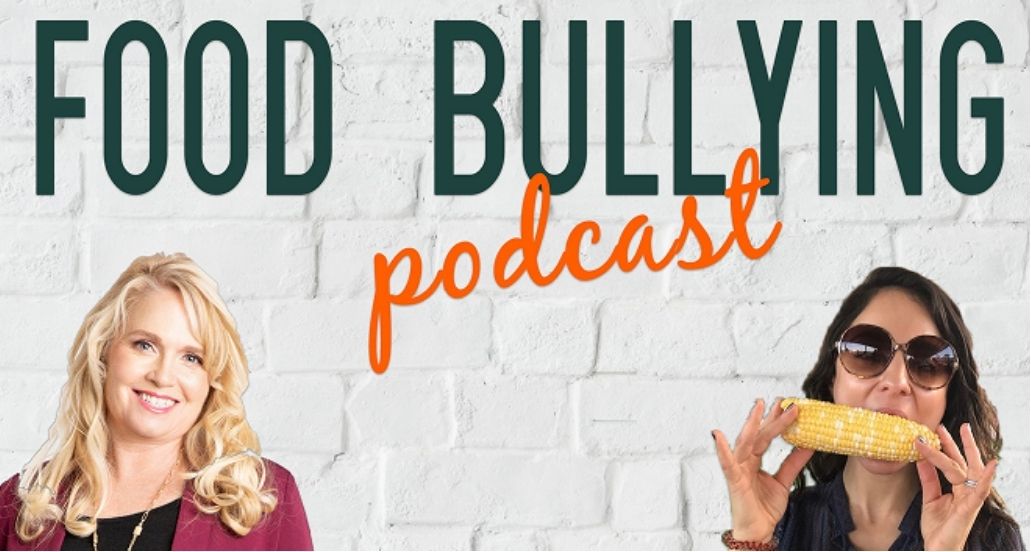
Stokes is the Senior Director of Food and Nutrition at the International Food Information Council (IFIC), where he leads science communication and tracks consumer perceptions of health and nutrition through annual research including the IFIC Food and Health Survey. He has spent a decade working at the intersection of food, agriculture, and nutrition on issues ranging from food security to sustainability to biotechnology. He joined the Food Bullying Podcast to make a specific case to the RDN community: the profession has more influence than it realizes – and it may occasionally be using that influence in ways that backfire.
The food information landscape has gotten harder, not easier
When Stokes entered agricultural communications in 2014, GMOs and plant biotechnology were among the most contentious issues in the food space. He watched the conversation gradually improve, the tone become more measured, and thought the profession had largely moved past it. Then IFIC's recent Food and Health Survey showed consumer concern about bioengineered foods rising again.
That pattern – a food "demon" receding and then resurging – is, in Stokes' observation, characteristic of how food fear works. Seed oils follow the same cycle. Gluten did. Organic vs. conventional has never fully resolved. These topics flare, cool, and flare again, each time picking up new audiences who encounter the same misleading content as if it were new information.
COVID accelerated this dynamic. Fear and emotion cloud judgment and alter how people access and process information. The pandemic justifiably generated enormous anxiety, and that emotional state made people more susceptible to fear-based nutrition content at exactly the moment when health information was most critical. Stokes' assessment is that science communication has gotten harder in the years since – not easier.
Why more information doesn't always help – and what does
This is the counterintuitive core of Stokes' message for healthcare professionals: leading with facts, corrections, and expertise sometimes makes food misinformation worse, not better. When people feel lectured or corrected, they often hold more tightly to the belief being challenged. The instinct to jump in and set the record straight can inadvertently fan the flames.
His recommendation, shaped by a technique a colleague taught him during contentious GMO discussions, is to lead with listening – and then with questions rather than answers.
When a patient or social media commenter expresses a food fear, the first response that builds trust isn't a fact. It's a question: Where did you hear that? How has that affected your family? What does that mean to you? Those questions invite the person to open up, establish a relationship, and signal that the professional is genuinely interested in understanding rather than correcting.
The scale benefit on social media makes this worth the patience. If an RDN engages thoughtfully with one person's food fear in a public comment thread, hundreds or thousands of people observing that exchange benefit from seeing the interaction handled calmly and respectfully. The audience for the conversation is almost always larger than just the person you're talking to.
Stokes is clear that this approach doesn't work in every situation and isn't about abandoning accuracy. It's about sequencing: relationship before education, questions before answers, values before facts.
Three findings from the IFIC Food and Health Survey that every RDN should know
IFIC has conducted its Food and Health Survey for 19 years. Three findings from the 2024 edition stood out to Stokes as particularly relevant for dietitians and healthcare communicators.
Taste and price drive food decisions – not health. Across nearly two decades of data, this hasn't changed. Healthfulness is a factor, but it consistently comes in behind taste and affordability in consumer priority rankings. For RDNs, this suggests the profession could do more to meet consumers where they actually are – celebrating food, emphasizing flavor and enjoyment, and framing nutrition as additive rather than restrictive.
Consumers trust registered dietitian nutritionists. Despite the congested and often unreliable information landscape, 42% of consumers reported encountering confusing or misleading nutrition content on social media – yet when asked who they trust for credible information, RDNs rank near the top. The profession has earned significant public credibility and is in a genuine position to exercise it.
Protein obsession is outrunning the evidence. Consumer focus on protein intake is intense and growing, driven by influencer messaging that most people need to significantly increase their protein. In most cases, that's not what the data supports. This is an area where the dietitian community can provide specific, practical correction without alienating an audience that's already engaged with the topic.
How RDNs can build better connections with agriculture
Stokes makes a point that is worth hearing directly: dietitians should not approach agriculture assuming professional authority over how food is produced. Just as RDNs reasonably push back when non-nutrition professionals prescribe dietary guidelines, farmers reasonably push back when nutrition professionals arrive with mandates about how farming should be done. The starting position should be curiosity and partnership, not expertise.
With that foundation, his specific recommendations:
Connect with farmer-dietitian hybrids. Jenny Schmidt, a Maryland farmer and registered dietitian, is Stokes' first recommendation for any RDN wanting to understand agriculture better. She communicates farm practice, challenges, and tools in terms that resonate with nutrition professionals. Her Instagram handle is @DirtDietitian and she has appeared on the Food Bullying Podcast in Episode 102. Janice Person, who works in agriculture communication, is another resource with extensive content bridging farming and consumer understanding.
Reach out through Farm Bureau and commodity boards. These organizations already work to connect agricultural producers with health professionals and can facilitate farm visits, speaking opportunities, and educational programs that build genuine understanding across both communities.
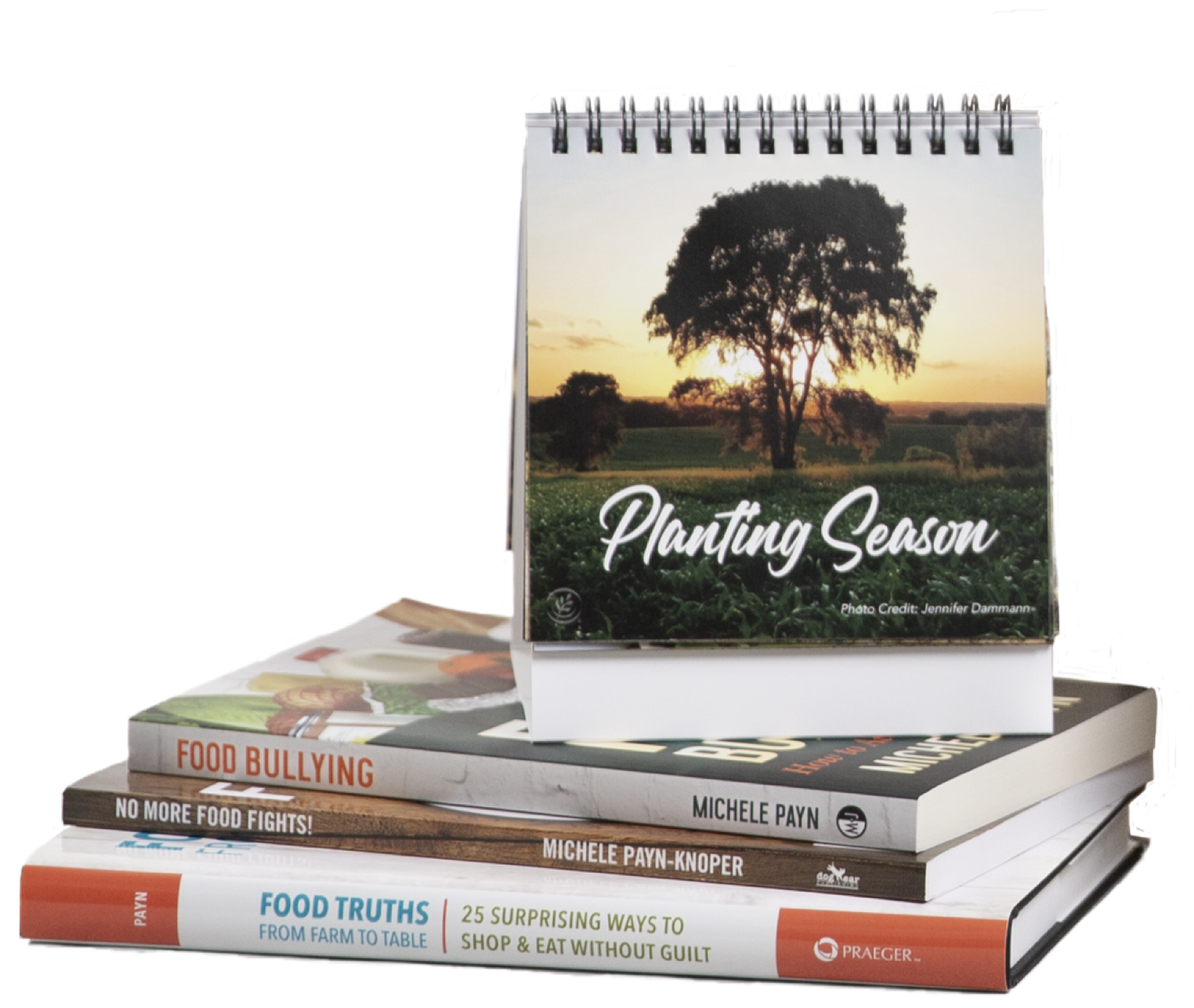
Use credible educational resources. Stokes noted in the episode that he used Michele Payn's books in the graduate nutrition course he taught for six years – specifically because they explain farm practices at a foundational level that nutrition students need and rarely receive through standard coursework.
Use IFIC resources. IFIC produces peer-reviewed research, monthly consumer spotlight surveys, educational webinars, and extensive content on agricultural technology, food systems, and nutrition communication available at foodinsight.org and ific.org.
What a senior food policy professional puts in his grocery cart
Stokes shops the same way his own survey data predicts: taste first, price second. He buys store brands when they're equivalent and avoids the time investment of couponing. He doesn't waste food – a priority that shapes both what he buys and how much. At home, he's focused on getting his family to eat more fruits and vegetables and drink their milk, describing dairy as one of the three most under-consumed food groups in his household.
His approach to the grocery store mirrors the message he delivers professionally: focus on what matters, ignore the marketing noise, and celebrate food rather than fearing it.
Connect with Milton Stokes and IFIC: Follow IFIC on Instagram, LinkedIn, and X. Find comprehensive food, nutrition, and agricultural technology resources at foodinsight.org and ific.org.
Want to bring evidence-based food and agriculture communication to your next dietitian association, agribusiness, or healthcare event? Michele Payn speaks to RDN audiences, agricultural organizations, and healthcare professionals on food bullying, consumer trust, and bridging the gap between farmers and health professionals. Book Michele to speak →