



Potatoes are a vegetable – and an Idaho farmer with 100 years of family history is here to prove it
Mitchell Searle eats raw potatoes straight out of the field during harvest. Just rubs the dirt off and bites in. He doesn't hesitate when asked if that's really true.
It's the most direct answer possible to the question of whether Idaho farmers trust the food they grow.
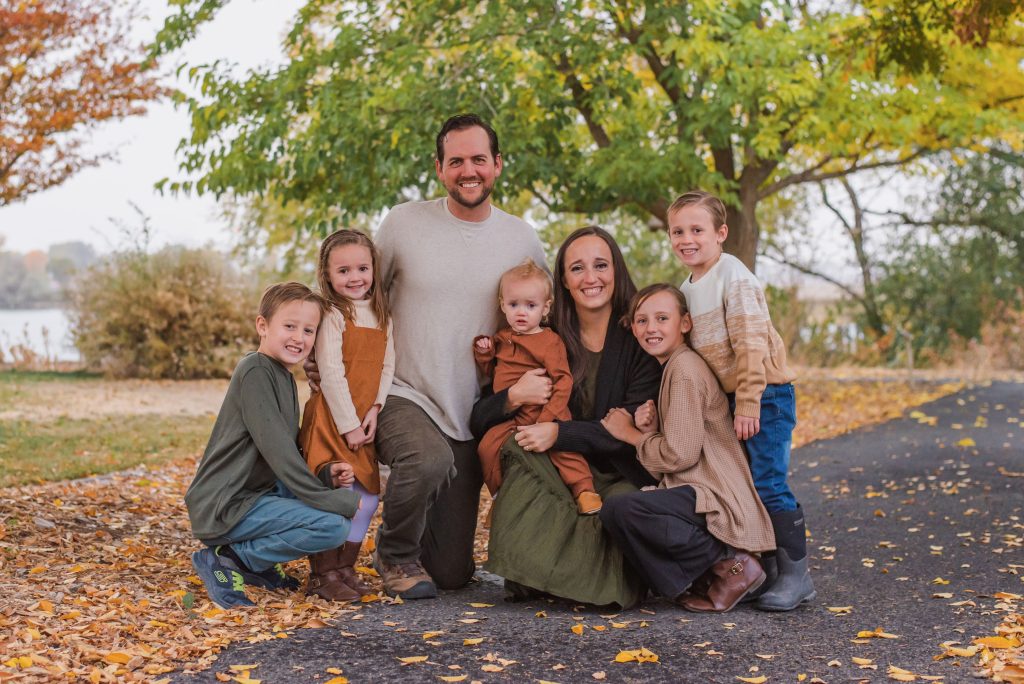 Searle farms in southern Idaho with his father and brother, part of a family that has worked the same land for over 100 years. He holds a degree in soil science and agronomy, grows eight different crops in rotation, and thinks about sustainability not as a marketing term but as the central question of every single workday: is what I'm doing today going to hold up tomorrow, next season, and for the generation after mine?
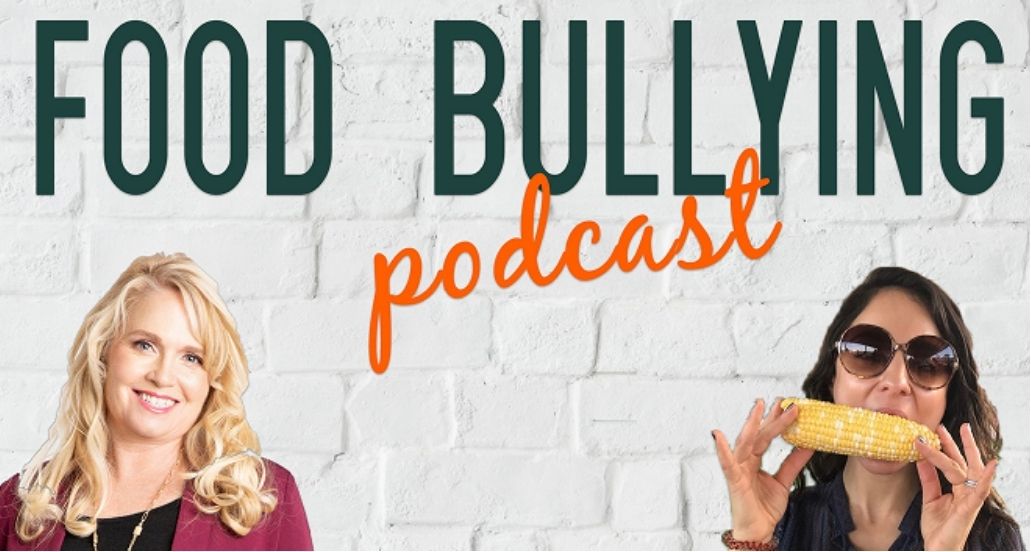
He joined the Food Bullying Podcast to set the record straight on chemicals, soil health, crop rotation, and why the potato – America's most popular vegetable – deserves a better reputation than it currently gets.
Are potatoes a vegetable or a grain? The answer matters more than you think
The Dietary Guidelines Advisory Committee has considered classifying potatoes as a grain, primarily because of their carbohydrate and starch content. Searle is blunt about what he believes is driving that conversation: competitive pressure from other commodity groups who would benefit from displacing the potato's status as America's favorite vegetable.
From a nutritional standpoint, the vegetable classification is the right one. Potatoes contain more potassium than bananas, earn the American Heart Association's heart-healthy certification, and have received the American Diabetes Association's endorsement as meeting nutritional guidelines for people managing blood sugar. The Idaho Potato Commission worked directly with both organizations to conduct the research and secure those designations – not through marketing, but through documented nutritional evidence.
The grain reclassification debate is a policy fight dressed up as a science question. Knowing that context is useful for dietitians who advise patients and need to explain why the potato deserves a place on the plate.
The chemicals myth – addressed by someone who uses them
The most persistent misconception Searle hears: that potato farmers are spraying toxic chemicals freely, poisoning consumers, and depleting the land. His response is straightforward. He's been farming the same ground for decades. His family has been farming it for over a century. Nobody with a multi-generational stake in a piece of land farms it recklessly.
Everything Searle grows, he eats. The beef his family raises. The potatoes he harvests. If he had concerns about what was in the food, he'd stop growing it the way he grows it.
The economics reinforce the point. Agricultural inputs – fertilizers, pesticides, fumigants – are expensive. Applying more than necessary isn't just bad for the land; it's bad for the business. Farmers use what they need, when they need it, and calibrate constantly to use less. Searle has soil tested before every potato crop to determine nematode pressure precisely so he can adjust chemical inputs accordingly – or skip them entirely if the test shows they're not warranted.
The trend over his career has been consistently in one direction: less water, fewer passes across the field, less tillage, reduced chemical inputs, better precision. Agriculture is getting better at doing more with less. That story rarely surfaces in the same social media feeds carrying the chemicals-in-food narrative.
How potato farming actually protects soil health
Searle has a soil science degree and he uses it. His approach to soil health is structural, not incidental.
Five-year crop rotation: Every field on Searle's operation returns to potatoes only once every five years. The intervening crops – sugar beets, wheat, barley, corn, alfalfa, dry edible beans, oats – break disease and pest cycles because pathogens that thrive in one crop can't sustain themselves through a diverse rotation. The longer the rotation, the lower the pressure when potatoes return.
No-till and strip-till: Avoiding tillage maintains soil cover, reduces erosion, and preserves the soil structure that holds water and supports biological activity. Searle has moved toward no-till and strip-till specifically to protect the soil resource that his family's next 100 years depends on.
Soil testing before every crop: Before a field returns to potatoes, Searle tests both nutrient levels and nematode pressure. The results determine exactly what inputs are needed – and what can be skipped. This precision-based approach is the opposite of the "willy-nilly" chemical application that critics assume.
Water efficiency: Searle's valley transitioned from flood irrigation to sprinkler systems, with efficiency gains he describes as dramatic. Water use has declined substantially while yields have improved – another example of agriculture doing more with less over time.
The emerging frontier: soil biology over soil chemistry
Searle makes a distinction that's worth passing along to anyone interested in where agricultural science is headed. The chemistry side of soil management – nitrogen, phosphorus, potassium, sulfur – is well understood and well-researched. What's new and genuinely exciting is the biology side: the food web within the soil, the interaction between microorganisms, beneficial nematodes, earthworms, and plant root systems.
Research into biological nematode suppression – using plants like mustard that naturally emit compounds through their roots to suppress harmful nematode populations – represents a direction where farming can reduce chemical dependency by working with natural biological processes rather than against them. Searle, who still uses fumigants when nematode testing warrants it, is watching this space closely and considers it the most promising area of agricultural research for the coming decades.
For anyone considering agricultural research as a field: he recommends looking at soil biology, not soil chemistry. The chemistry is largely solved. The biology is just beginning.
From seed to harvest: what a potato season actually looks like
Potato planting starts in early April in southern Idaho. The seed isn't a seed in the botanical sense – it's a tuber, a clone of the mother plant. New varieties are developed at the academic level, bred for drought tolerance or disease resistance, ramped up in production, and eventually reach commercial growers like Searle through certified seed growers who specialize in producing tubers for sale.
Planting takes two to three weeks depending on weather. From there: weed management, irrigation throughout the growing season, and waiting. Yield builds as long as the tubers are in the ground. In early September, Searle's team mechanically beats down the vines – essentially mowing them off with a rotating drum – which signals the potatoes underground to harden their skins in preparation for harvest. Two to three weeks later, harvest begins and runs through early October before sugar beet harvest follows.
The timing is a calculated risk every year. Wait as long as possible to maximize yield. Finish before the first hard freeze turns the crop to mush. Every season ends with the same calculation and a different result from the weather.
What the Idaho potato industry has done to fight back on nutrition misinformation
Potato growers didn't sit back while false nutrition narratives eroded their market. The industry organized – through the National Potato Council, Potatoes USA, and the Idaho Potato Commission – to conduct credible research, pursue legitimate health certifications, and advocate on Capitol Hill for accurate policy treatment.
The result: bags of Idaho potatoes now carry the American Heart Association heart-healthy seal and the American Diabetes Association certification. Those aren't marketing claims. They're earned designations based on nutritional evidence the potato industry pursued specifically because it was tired of watching false science go unchallenged.
For dietitians, these certifications are a credible, vetted shorthand to point patients toward when the potato's health value comes up in conversation.
Connect with Mitchell Searle: Find him on LinkedIn and Facebook under Mitchell Searle. For potato nutrition information, recipes, and research, visit potatoesusa.com, the Idaho Potato Commission, and the National Potato Council.
Want to bring the real story of sustainable farming and food science to your next agricultural or dietitian event? Michele Payn speaks to agricultural organizations, agribusinesses, and dietitian associations on food bullying, consumer trust, and the science behind modern food production. Book Michele to speak →