



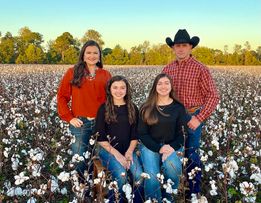
 A fourth-generation farmer. 1,100 acres of peanuts, cotton, sorghum, soybeans, and wheat. And a perspective on sustainable agriculture that might surprise you.
Wendy Yeager of Bell Place Farm in west central Alabama — the heart of Alabama's Blackbelt — doesn't just farm the land her family has worked for generations. She studies it, advocates for it, and isn't shy about pushing back on the myths that follow modern agriculture into the grocery aisle.
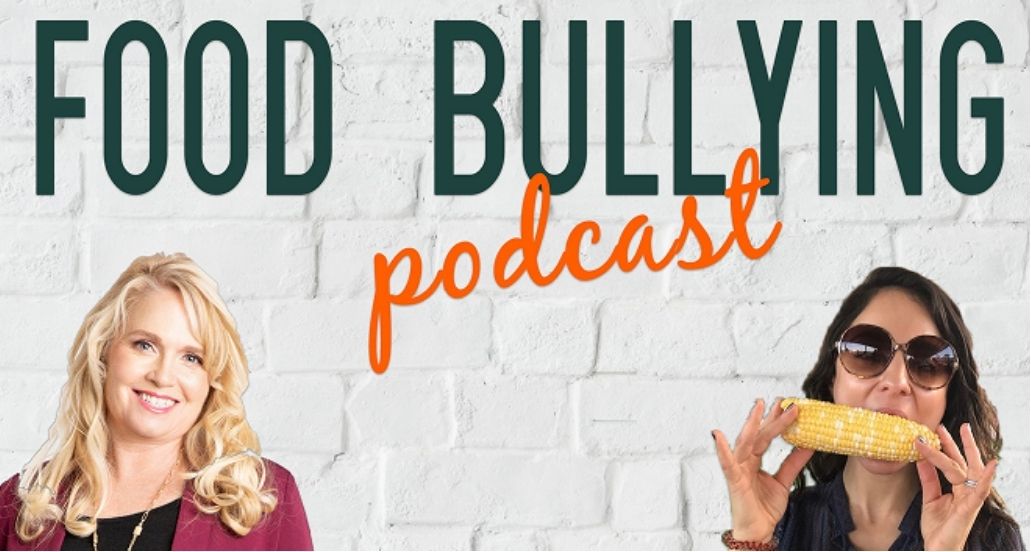
In this episode of the Food Bullying Podcast, Michele sits down with Wendy to talk soil health, GMOs, farm finances, and what it actually takes to sustain a family farming operation when input costs keep climbing and mother nature won't cooperate.
What Sustainable Agriculture Actually Looks Like on a Working Farm
Forget the buzzword. Wendy describes how Bell Place Farm's sustainability practices have evolved over 30 years — not because of consumer pressure, but because they work. No-till farming means planting directly into crop residue without disturbing the soil, which reduces erosion, cuts field compaction, and preserves soil biology. GPS-guided precision planting has reduced the number of trips across the field dramatically, lowering fuel consumption and equipment wear in the process.
These aren't marketing claims. They're the economics of staying in business.
The Truth About GMOs – From Someone Who Grows Them
Wendy addresses one of the most persistent misconceptions in the dietetic world head-on: that GMOs are bad for the environment and human health. From her vantage point as the person who plants, tends, and harvests these crops, genetically modified varieties help with disease resistance and reduce the need for herbicide applications – meaning fewer chemicals, not more. She feeds her family what she grows. That's about as direct a confidence vote as it gets.
The Financial Stress No One Talks About
The assumption that farmers are financially comfortable is one Wendy hears often — and one she's quick to correct. Rising costs of fertilizer, herbicides, insecticides, and diesel fuel are squeezing margins that were already thin. Every planting season is a calculated risk: will the crop's return cover what it cost to put it in the ground?
That uncertainty doesn't stay in the field. It follows farmers home, and it takes a toll on mental health in ways the agriculture community is only beginning to address publicly.
Farming While Female in a Male-Dominated Industry
Wendy also reflects on her path to becoming a respected voice in an industry where women are still underrepresented in leadership – and how she's built confidence in both her farming decisions and her food choices along the way.
What Dietitians and Consumers Should Take Away
The biggest misconception Wendy wants to correct isn't about GMOs or soil health — it's the assumption that farmers aren't paying attention. The Yeagers track every input, monitor soil health season to season, and plan each crop rotation with long-term land stewardship in mind. Understanding that context changes the conversation between agriculture and health professionals entirely.
Connect with Wendy Yeager: Follow Bell Place Farm on Facebook and Wendy on Instagram.
Want to bring real farmer voices to your next event? Michele Payn speaks to agricultural organizations, agribusinesses, and dietitian associations on food bullying, sustainable agriculture, and rebuilding consumer trust. Book Michele to speak →