



Turkey is not just for Thanksgiving – and a third-generation farmer has things to tell you
No hormones. No steroids. Strict antibiotic protocols. Mandatory withdrawal periods. Residue testing before every bird leaves the farm.
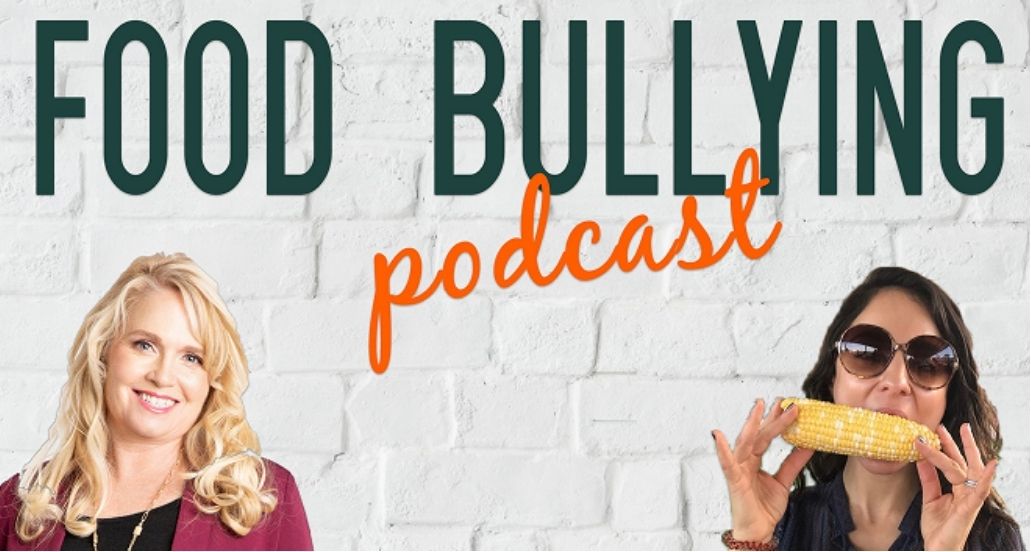
Peter Klaphake has been raising turkeys in central Minnesota for his entire career, following two generations before him. He owns and operates turkey farms, a feed mill, and a crop farming business across Douglas, Stearns, and Morrison counties, and serves on the Minnesota Turkey Research and Promotion Council. He joined the Food Bullying Podcast to address the claims that follow his protein to the grocery store – and to make the case that turkey deserves a place on the table every week, not just the last Thursday of November.
Why are turkey breasts so big? It's not hormones – it's illegal
The most common question Klaphake hears: are these birds pumped with hormones to get that size? The answer is no – and it's not just a matter of practice, it's a matter of law. Hormones and steroids are illegal in poultry production in the United States. Full stop. Any label claiming a turkey is "hormone-free" is technically accurate but also entirely redundant – no turkey on the market was raised with added hormones, because none of them can be.
The size of modern turkeys comes from decades of selective breeding and genetics research, not chemical intervention. Klaphake has watched that progress firsthand over 35 to 40 years – birds getting larger and higher-quality through breeding advances alone. Consumer demand for breast meat has also shaped the industry: the majority of commercial turkey production today focuses on toms specifically for breast meat yield, because that's what the market consistently asks for. Breeding and feeding drove that change. Nothing else.
Antibiotics in turkey farming: a welfare tool, not a routine
The "antibiotic-free" label has become a marketing lever, and Klaphake addresses it without defensiveness. His view: antibiotics should be used when animals need them – the same standard that applies to human medicine.
Turkeys get sick. When a barn full of birds is suffering from a disease that can be treated, withholding treatment isn't a welfare win – it's a welfare failure. Klaphake compares it directly to what he observes with his own children: you can see illness in an animal's eyes and behavior the same way you can with a person. When birds that are normally active and curious in the morning are quiet and withdrawn, something is wrong, and it's a farmer's responsibility to respond.
The regulatory structure around antibiotic use in poultry is strict. Every use requires a veterinary prescription. Every antibiotic carries a mandatory withdrawal period – typically 14 to 28 days – before birds can go to market. Klaphake describes a case where his operation kept a flock on the farm for an extra two weeks simply to reach the required withdrawal date after treating a disease. At the processing plant, residue and fat tissue samples are taken from every flock to confirm no antibiotic traces are present. Birds that don't pass are rejected.
The economic and regulatory incentives against antibiotic misuse are overwhelming. The system is designed to ensure that by the time turkey reaches a consumer, no residue remains.
How Klaphake's turkeys actually live
Turkeys are more socially engaged than most consumers realize. Klaphake describes them as curious, active birds that get accustomed to the specific people who care for them daily. Bring someone new into the barn and the flock notices. On a warm spring morning with barn doors open and sunlight streaming in, the birds cluster in the light patches and move through them in a wave – what Klaphake calls the turkey mosh pit.
His operation feeds birds 24 hours a day through automatic feeders, with water access alongside. Feed rations are developed by nutritionists and change as the bird grows: higher soybean meal early on, transitioning to more corn as they mature. That transition period – roughly around weeks seven to eight – mirrors adolescence, with rapid growth, changing feed needs, and occasional digestive adjustment requiring fresh bedding to maintain barn conditions.
Klaphake follows National Turkey Federation husbandry standards governing feeder pans per bird, water access, and stocking density. His barns range from 140 feet to 1,000 feet, each stocked by square footage to ensure adequate feed and water for every bird. Running out of feed, even for an hour, causes measurable stress to the flock – one nutritionist told him that an hour without food affects a turkey's system the way a full day without food affects a person's.
HPAI, depopulation, and the mental health cost no one sees
Avian influenza is a real and ongoing threat to turkey operations. Klaphake's farms were directly affected in 2022, when two farms – his largest site with 72,000 birds and a second with 40,000 – were confirmed positive and had to be fully depopulated within two days of each other.
To be clear for consumers: no bird confirmed with avian influenza enters the food supply. Blood serum testing and trachea swabs are conducted on live birds from any flock heading to market. USDA-approved protocols are in place at every processing plant to verify meat safety. There is no risk to humans from consuming turkey or any poultry product.
What that reassurance doesn't address is what depopulation costs the people who raised those birds. Klaphake is candid about the weight of it. The anticipation before a positive result – not knowing if today was the day – was, by his own account, more psychologically exhausting than the event itself. And the logistics of managing a response while keeping negative farms fully staffed, without allowing any crossover of personnel from positive to negative sites, meant isolating people from each other at exactly the moment they most needed connection.
This is the mental health dimension of farming that rarely surfaces in conversations about where food comes from. The people managing these crises are doing so while carrying the emotional weight of losing animals they cared for every day, financial uncertainty, and the relentless operational pressure of keeping everything else running.
Turkey as a year-round protein: the case Klaphake makes
Klaphake's family eats turkey regularly – not just at Thanksgiving – and his enthusiasm for it as a versatile everyday protein is genuine. His personal favorite is a whole smoked breast, sliced thin and eaten as a snack throughout the day. His operation works with a local locker to process breast meat from residue-testing culls into smoked ring sausage, grilling patties, and other products blended with pork or beef.
His practical pitch to dietitians and consumers: ground turkey substitutes directly for ground beef in almost any recipe. Sliced turkey breast in a pan with gravy works over potatoes or rice. Cold cut varieties – oven-roasted, Cajun-spiced, tomato basil – bring range that most people haven't explored. It's a lean, complete protein that's available year-round at competitive prices, and one that Klaphake watches losing grocery shelf space to other proteins not because it isn't good, but because the industry hasn't made its case loudly enough.
Why turkey labels claiming "hormone-free" are marketing, not information
Klaphake puts it plainly: a label claiming a turkey was raised without hormones is accurate, but it's true of every turkey in every store, because the alternative is illegal. Consumers who pay a premium for that claim are paying for a marketing strategy, not a meaningful product difference.
The same applies to "antibiotic-free" labeling in context. The question worth asking isn't whether antibiotics were used at any point – it's whether proper protocols, veterinary oversight, and withdrawal periods were followed. That's the standard that protects both animals and consumers, and it applies across conventional production whether or not a label highlights it.
Connect with Peter Klaphake: Find Klaphake Feed Mill on Facebook for more on the operation.
Want to bring the real story of animal agriculture and consumer trust to your next event? Michele Payn speaks to agricultural organizations, agribusinesses, and dietitian associations on food bullying, food safety, and the science behind modern farming. Book Michele to speak →