



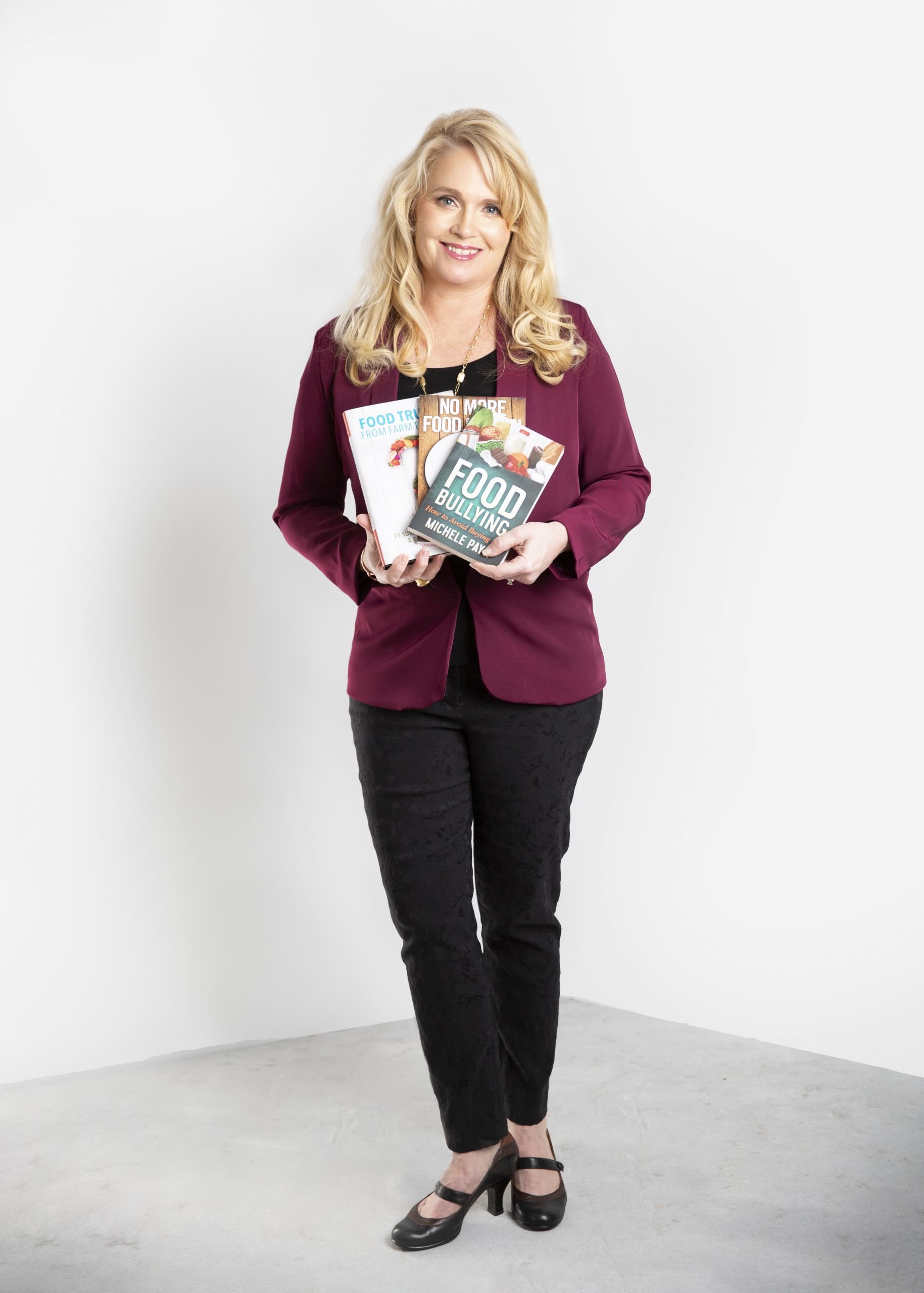
Every book Michele Payn has written started with a problem she couldn't ignore.
She spent her early career watching the distance between farmers and the people who eat their food grow into something costly – to agriculture's future, to consumer trust, and to the mental health of the people feeding the world. Rooted in the farm after growing up with her own Holstein cattle and receiving degrees in Animal Science and Agricultural Communications from Michigan State, Michele knew she needed to do more.
She could have kept speaking about it. Instead, she decided to write a book – five times and counting.
The fight that started it all – when farmers and foodies stopped talking
Food fights might seem entertaining. The real ones aren't.
By 2013, the conversation around food production had turned adversarial. Farmers were being vilified. Consumers were confused. And the people caught in the middle – dietitians, agribusinesses, rural families – had no trusted, balanced resource to hand someone across the table.
No More Food Fights! Growing a Productive Farm & Food Conversation was Michele's answer. A two-sided book for a two-sided argument, it called for decorum over mayhem and commonality over combat – written for the farmer AND the foodie, because both deserved better than the shouting match food had become.
It planted the seed for everything that followed.
Permission to shop without guilt – food truths to set consumers free
Two-thirds of Americans live in cities. Most have never set foot on a farm. Yet they navigate more than 40,000 products in a U.S. grocery store, armed with marketing claims, celebrity opinions, and social media noise – and very few facts.
Food Truths from Farm to Table was written for all seven billion people who eat every day. Michele's 25 food truths cut through the confusion to answer the questions real consumers were actually asking: How is food really produced? What do labels actually mean? Why does smart shopping feel so hard?
The answer, it turns out, is that it doesn't have to. This Amazon #1 best seller and IPPY Bronze Medal winner in health, medicine, and nutrition gave readers something rare: science-backed clarity that made eating feel like a joy again, not a minefield.
"Smart grocery shopping and healthy eating shouldn't require a science degree." — Phil Lempert, The Supermarket Guru, former NBC News Today Show Food Trends Editor
Naming the bully in the aisle – the $5.75 trillion food marketers don't want you to know
By 2019, food misinformation had gone from background noise to a full-blown epidemic. Fear-based marketing was thriving. Guilt had become a product. And consumers – including farmers' own families – were being manipulated at the grocery store, on social media, and around the dinner table.
Michele named it: food bullying.
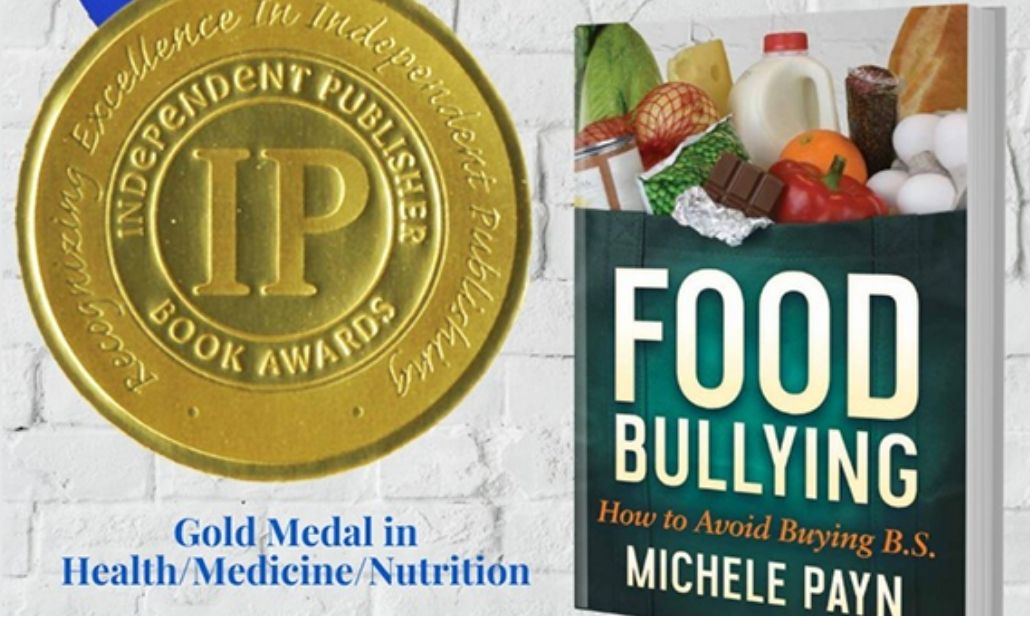
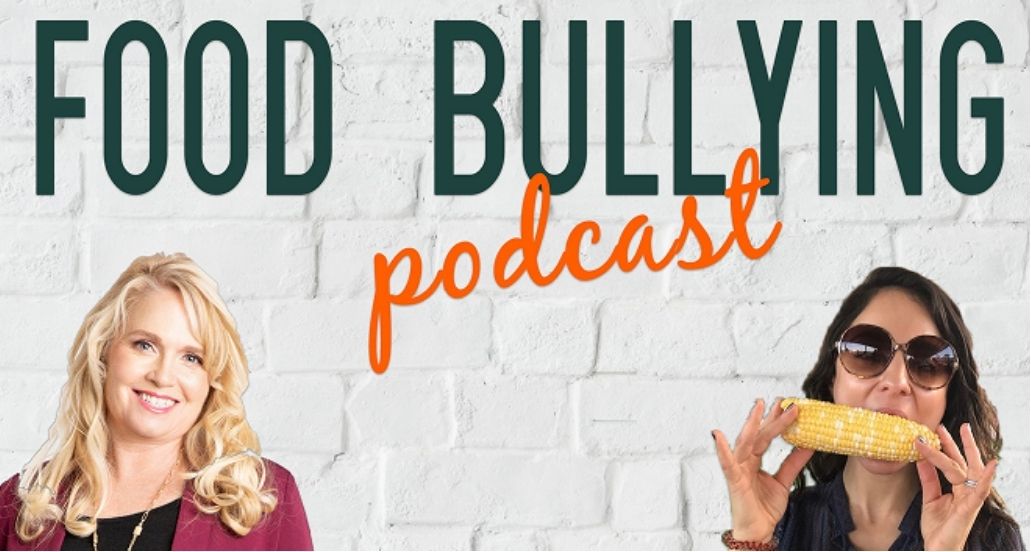
Food Bullying: How to Avoid Buying B.S. exposed the machinery behind food misinformation, armed readers with a six-step action plan, and gave everyone from dietitians to dairy farmers a shared vocabulary for a problem that had been nameless far too long. It earned the IPPY Gold Medal in health, medicine, and nutrition — and sparked a podcast, a movement, and a long-overdue national conversation.
For dietitians, it became a clinical and client education tool. For farmers, it was validation. For everyone else, it was permission to stop apologizing for what's in their grocery cart.
"Food Bullying is a much-needed critique of our national obsession of guilt over food choices... the solution is facts, and that's what Michele Payn serves up."
The people growing your food are hurting – stress management isn't optional, it's a business skill
Agriculture is one of the top occupations for suicide rates. The people who feed the world deserve the same care they give their land and animals.
Farmers don't need another seminar. They need something practical – something they can throw in a tractor cab, a kitchen drawer, or a glove box and actually use on the worst days.
Agriculture's Growth Journal gives farmers, ranchers, and agribusinesses space to capture thoughts, record data, and work through 50+ stress management strategies contributed by farmers, veterinarians, and medical professionals. It followed Agriculture's Growth Calendar, which offered a weekly dose of resilience, organized around the seasons farmers already live by: planning, planting, growing, and harvesting.
Together, they point to the case Michele has been making for years: the people who feed the world deserve the same care they give their land and animals.
When science loses the room – the communication gap cost agriculture its future
Declining trust in science doesn't just frustrate researchers – it costs farmers markets, limits technology adoption, deepens consumer confusion, and quietly fuels the mental health crisis already gripping rural communities.
Science Story Speak, co-authored with Amy Hays, is Michele's most direct response to that gap. It's a practical guide for agriscience professionals, farmers, and communicators who know their science is sound but keep losing the room. The tools inside help diverse audiences connect on a heart level – because data rarely changes minds, but stories do.
It's the book Michele wishes had existed at the beginning of her career.
The thread running through every page of Michele's books
Michele doesn't write to defend agriculture from the outside. She writes from inside it – from a childhood spent on a Michigan dairy farm, a career spanning more than 25 countries, and her own farm driveway.
The thread running through every book is the same conviction: the people who grow our food and the people who eat it deserve honest, human conversation. Farmers deserve tools, not sympathy. Consumers deserve facts, not fear. Dietitians deserve a real connection to the food system they counsel others about.
Someone has to start that conversation. Michele keeps writing it.