





What’s your image of a farmer?
Photo credit: Zach & Anna Hunnicutt
“Farming isn’t just a job. It’s more of a calling.” were the words I found myself saying to a couple of communications professionals last week while trying to explain why it’s so easy for farmers to get defensive. The personal nature of farming is hard to define to those who have not lived it.
Families are wrapped up in farms 24/7. Often time, several generations work together. It’s not a career or a job, it’s a lifetime commitment. While farming today has to be a business, it is personal. And when farming is deeply personal, it’s easy to feel any slight, misunderstanding or question about farmers is a personal attack.
I understand that, but…I can’t advocate or support the defensiveness often found in agriculture’s response. I’ve seen farmers get up in arms because they don’t like a ‘silly’ question, be insulted by misunderstanding or become downright defensive if people don’t agree with your choice in farming. Yet other agriculturists decide they have to nitpick success stories like the tribute made to farmers and ranchers in Super Bowl ads through “So God Made a Farmer”, a grown Budweiser horse remembering his caretaker or Milk: the Morning Run.
Yes, farming is personal, but so is food. People have a right to ask questions. They even have a right to disagree with your farming choices. Please realize the person next to you may have a very different image of the perfect farmer than you – and that’s O.K. My perfect farmer image would include pretty black and white dairy cattle, a lot Midwestern flavor and include younger females. Your perfect farmer image might include cool technology, big equipment and thousands of acres. The next reader’s perfect farmer image might fit an organic stereotype, apple trees and chickens roaming in a green yard.
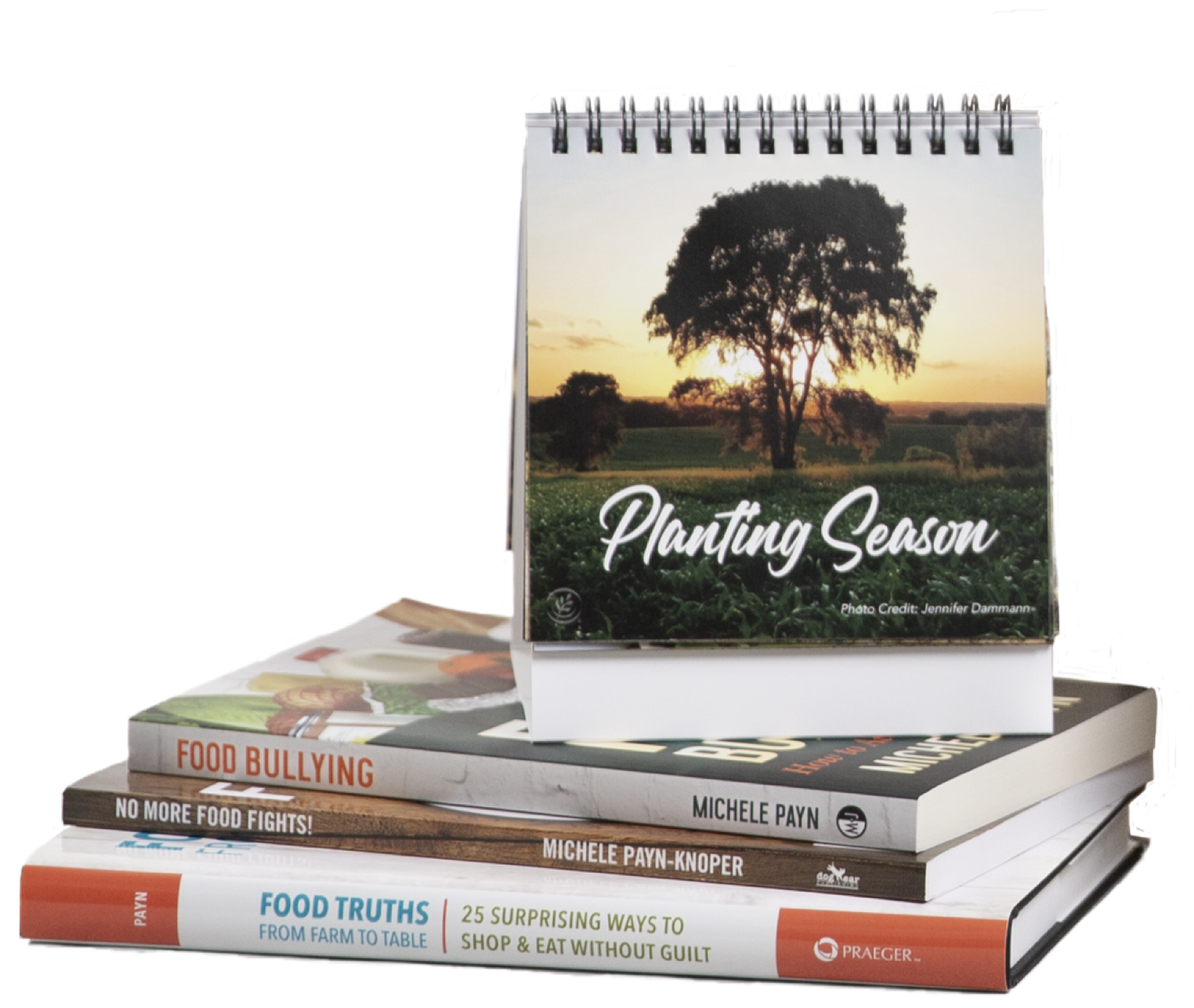
The public is a farm’s stockholders. When a farmer fails to help stockholder’s understand your business practices, build stockholder trust, and respond thoughtfully to their questions – your business suffers. And since a farm is a deeply personal business, think about how that will impact you. Your family’s future will largely depend on your ability to connect to those stockholders in a very human, non-farm way. The beginning of the farm side of “No More Food Fights!“ (a new book released on Valentine’s Day for farmers and foodies) gives you a sense of my personal frustration and thoughts about agriculture’s future as a precursor to the 6 ½ steps offered in the book for agriculturists to engage around the plate.
When I look around a farm, the need for agriculture to tell our story becomes crystal clear. I walk into the barn and observe our cattle, which reminds me of how often farmers are portrayed as animal abusers. I want to bang my head against the barn wall as I think of the power of pictures and video in appealing to emotions.
Looking across the land, I reflect on people’s angst about the types of products and practices used in the soil. I see large equipment filled with amazing technology and consider how some food buyers balk at technology in their food. I want to turn my back and just get back to work when I think of how polarizing the discussion has become.
But it’s a group of giggling girls scampering through the pasture and playing in the haymow that leaves me firmly convinced of the need for each person in agriculture to do a better job of reaching a hand across the food plate. Yes, one of those girls is my daughter, who enthusiastically shares her love for dairy cattle with every friend who walks in the barn—a great reminder to all of us to do the same.

Is one image of a farmer right and the other wrong?
Photo Credit: Emmert Photography
Don’t you want them to understand agriculture? If you’re frustrated by today’s perceptions about farming, the paperwork necessary to operate your business and media misinformation about agriculture—imagine the disconnect in 20 years. Who is responsible for the voice that will grow understanding between the farm gate and food plate?
Yesterday’s practices won’t rewrite tomorrow’s history. Agriculture is not perfect; there are likely practices that need to be changed in farming and ranching. One needed change is to hold agriculture accountable for having productive conversations to connect farm and food.
Yes, farming is personal, but have you taken the time to explain why it means so much to you?
0 Comments