




“Kids are dirty and if you’re worried about what you’re feeding them, you’re a good a mom,” says this millennial mom who prioritizes low-cost food at the grocery store. She offers insight on how the science of producing food is remarkable, along with the care that farmers and ranchers provide for the planet.
Brandi Buzzard Frobose is a rancher, head honcho of their family’s ranch, and an environmentalist. She’s not a fan of the mud while she’s ranching in Kansas, but loves to go roping at the rodeo as a cowgirl. Meet our latest #featuredfarmer.
Key points
- The mud of March on farms and ranches: why animals stand in mud and can make a mess together
- The difference between farming and ranching
- Why rodeoing? What is breakaway roping?
- Purebred cattle breeding, embryo transfer, commercial cattle
- How science is used in farming and ranching.
- The best environmental science we have comes from EPA: agriculture contributes less than 9% of greenhouse gas – and of 9%, animal agriculture is 2%
- Choices outside of food can reduce greenhouse gas, such as cycling instead of cars, not taking flights, etc. have a far greater impact that eating choices
- How conservation and sustainability is a priority in feeding cattle
- Mud isn’t pretty, but cows have been laying in it for hundreds of years.
- Motherhood and how buying food can be stressed
- Tips to overcome food bullying: Buy what you can afford – don’t let labels sway you into buying something more expensive. Food at the grocery is safe – don’t feel bad if you’re buying a generic brand without a fancy label. If you care enough that you’re stressing out about what to feed your family – you’re a good mom – just buy the food you want.
 Fabulous quotes
“Animals stand in mud in the spring because rain happens and cattle like to hang out together. Mud on the farm and ranch is reality, even if it’s not pretty.”
“The way we raise food today is very much based on scientific practices. It is very refined and there is a lot of science involved.”
“Science is not an emotional guessing game – it’s fact-based.”
“Kids are licking boogers and eating dirt – they’re fine. Don’t worry so much about the food you’re buying – you’re a good mom.”
Links
- Blog: buzzardsbeat.com
- Instagram: @brandibuzzard
- Facebook: Buzzard’s Beat
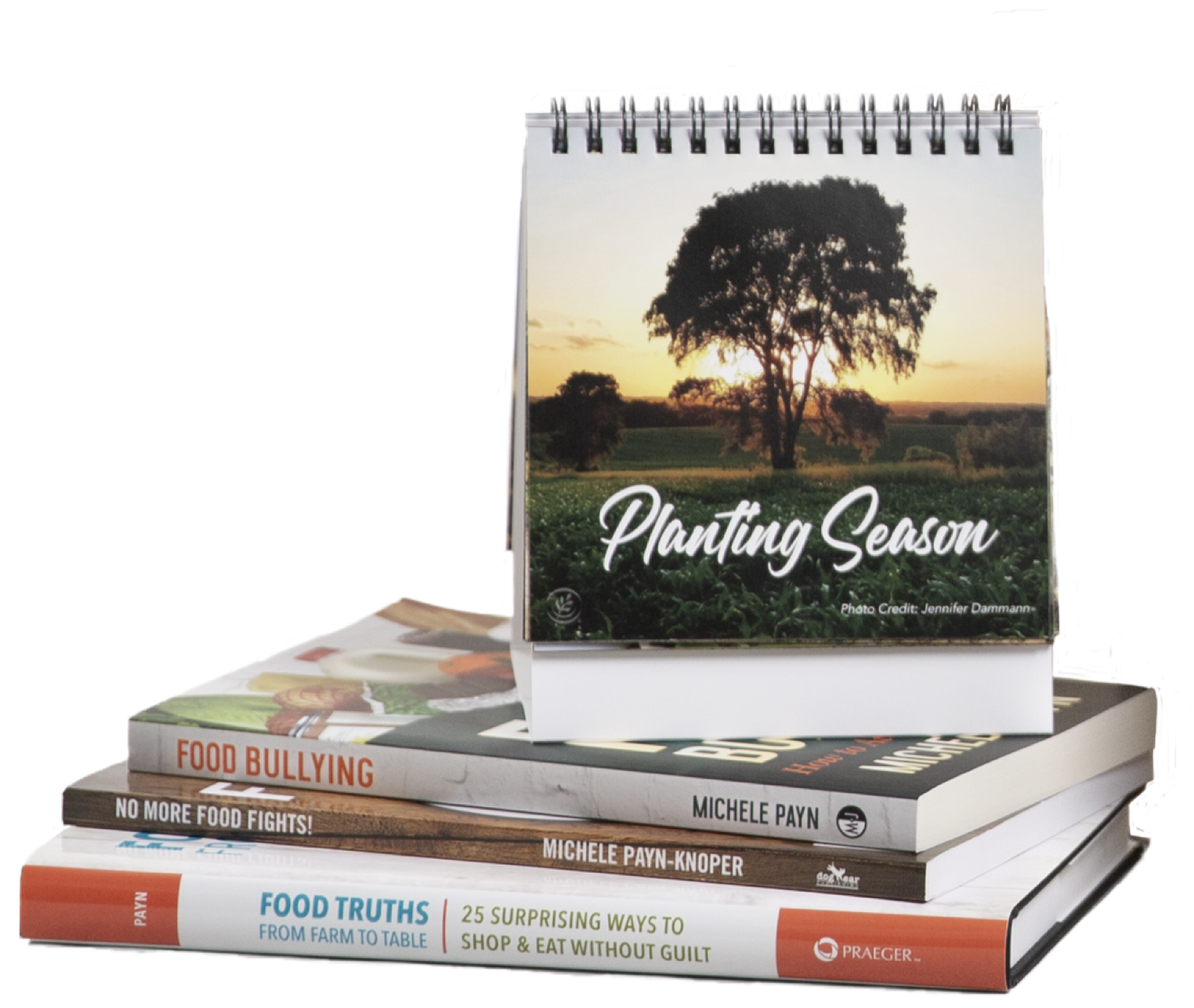
- Food Bullying: How to Avoid Buying BS by Michele Payn
- Embrace Your Heart with Eliz Greene
- Food Bullying Podcast’s Facebook page