




Speaking the same language: Technology brings the farm to the kitchen
~ guest blog post by Amy Throndsen (urbanite)
Real-time updates from tractor cabs, cornfields, and barnyards around the world are starting to make their way into the information streams of people who are generations removed from the farm. As farmers, agriculture companies, ranchers, industry advocates, and other “ag” folks start Facebook pages and Twitter feeds, they find that it isn’t just other “ag” people who are interested in hearing what they have to say.
Followers of a dairy farmer’s Twitter feed can be as diverse as a hay producer two states away, an equipment dealer down the road, and a mother of three in a neighboring county. Certainly, @zweberfarms, @ezweber, @RayLinDairy @armessing and @mpaynknoper herself have stories to tell of the diversity of their Twitter followers. As the chatter develops, laypersons can ask questions directly of the farmer, rancher or dairyman. All of this social conversation can make a direct impact on the perception, accessibility and composition of the agriculture industry.
We have a real opportunity as “ag people” to use these boundary-breaking social media outlets to authentically communicate with city/suburban dwellers who are starting, more and more, to question where their food is coming from.
What is possible through this communication?
Well, I’ve been thinking a lot about that for weeks. I even took it to the shores of a lake in northern Wisconsin to try to wrap my brain around it, but, plain and simple, I don’t exactly know.
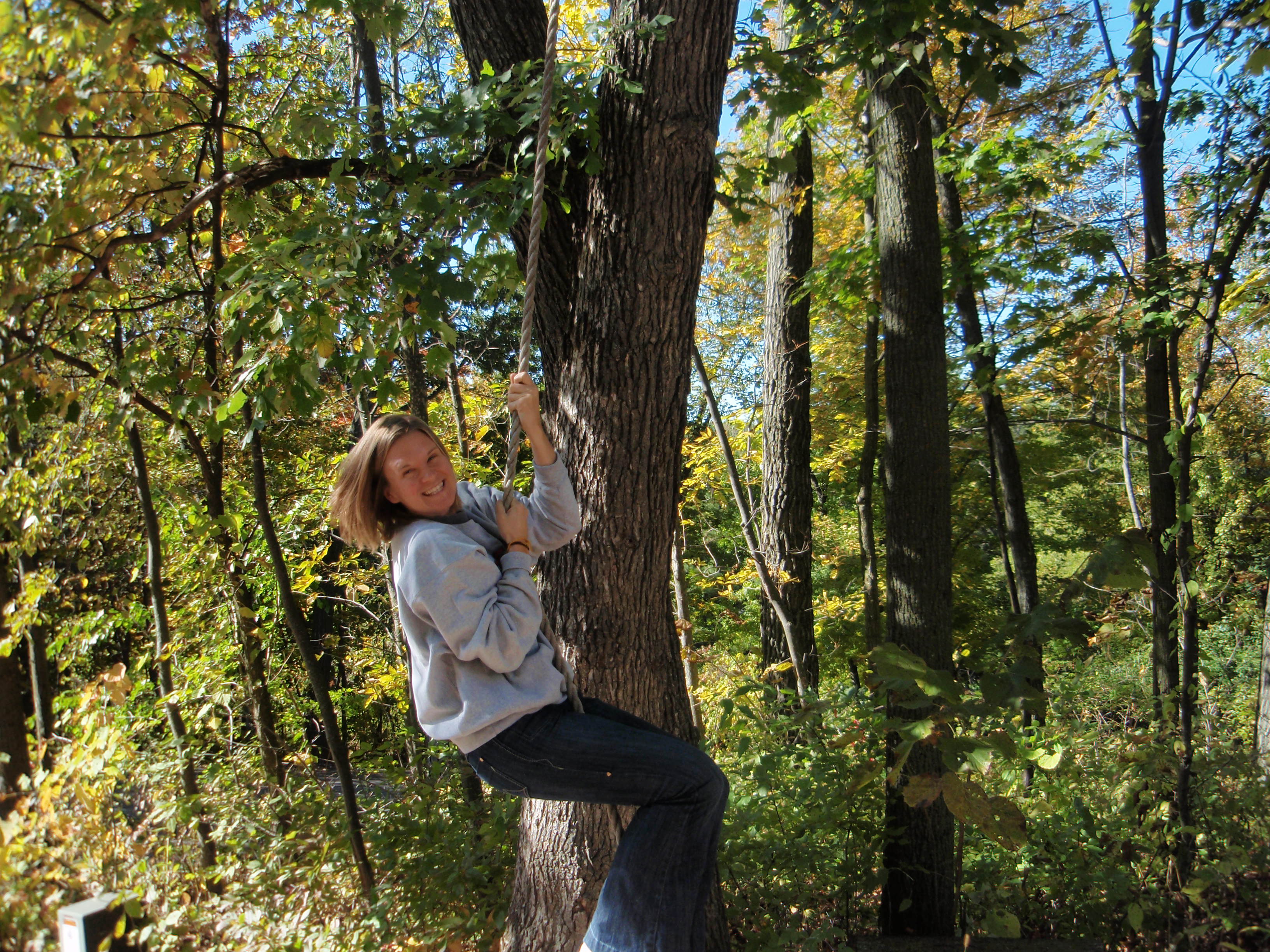
What stereotypes are you holding on to?
What I do know is that there are stereotypes that exist about both groups that sometimes keep us from reaching out and finding true understanding.
Farmers wear overalls, drive pick-up trucks, and are hard-headed. They go cow tipping on Saturday nights after the rodeo. They rarely travel outside the county line and they definitely aren’t using Twitter. Wrong.
City slickers wear shiny shoes, take taxis and are arrogant. They couldn’t tell the difference between a heifer and a steer, and they rarely get dirt underneath their fingernails. Wrong.
How can we help one another overcome these stereotypes to make real connections and find true understanding through our communication?
If you’re an “ag person” – what do you want “non-ag people” to know about you? If you’re a “city slicker” – what do you want “country folk” to know about you?
So, if you’re an “ag person,” take time to post something unconventional about you or your farm or your industry every day on your Facebook page or Twitter feed or blog. We’re all different and we all bring something unique to the conversation.
If you’re more of a city person, then ask us about what we do and how we do it. We want you to know where your food comes from.
As a suburban kid turned city slicker turned ag professional, I’ll start: I know very well where my milk comes from, but I have never milked a cow. I would love to try.
Overall, agriculture needs to communicate up and down the supply chain, from gate to plate. People need to understand that food production isn’t all high-tech, corporate mega-farms or om and pop barnyards or hippie, organic communes. The agrifood system, like most complex endeavors, comprises a diverse, multi-trillion dollar, global industry with a huge variety of business models, technological savvy and products.
I believe that the more consumers understand agriculture, the more responsible, informed choices they will make from the supermarket to the ballot box. What’s your role in that?
As the marketing and business development director for DCC Waterbeds (Dual Chamber Cow Waterbeds), Amy Throndsen supports the international dealer base, manages and develops corporate communications including social media, and integrates new technologies into overall business functions. Eleven years ago Amy’s father began telling the “waterbeds for cows” story in North America, and in the early 2000s, he patented the dual-chamber design. Amy recently transitioned to her role with DCC Waterbeds after a 10-year career in public service, including serving with AmeriCorps and Peace Corps (China). For more information on Amy and DCC Waterbeds, visit www.waterbedsforcows.com or find Amy on Twitter: @amyserves.
0 Comments