





I love international work. The people, the places, the food – and the return to the States. Working in other countries provides perspective on freedom, but there’s just something special about seeing the red, white and blue when you’ve been out of the country.
Yes, I’m a proud American, but I have to wonder if we’re losing our freedoms. I could go on about the overuse of political correctness, our national deficit or healthcare regulations. I’ll spare you and stick to what’s happening with youth organizations and animals. Surprisingly, it’s going to be about horses – not what this dairy girl usually touches on, particularly after a very mean pony, Trixie once ran away down the lane, with an 8 year-old Michele.
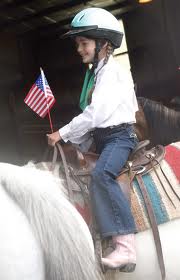
Are children and horses paying the consequences of our lost freedoms?
Horses are one of the few species that bridge the companion and livestock world. Because of this, I think slaughter is especially emotional for people. After all, you wouldn’t want Fido sent to a slaughterhouse, so it just doesn’t seem right to send a horse that direction. I understand that thinking. But the consequences of horses not being sent to slaughter is even crueler. Horses are being dumped, starved and living deplorable conditions. As feed prices reach record highs, these problems are getting worse. If you don’t believe me, take a look at this 60-page report from the Government Accountability Office.
Have we lost the freedom to the right thing for animals in this case? Federal funding was cut for inspectors at horse slaughter plants, at the bequest of animal rights activists. And while it may be sad to think about, horses reach the end of their productive life. Their owners need a humane option for slaughter – and we seemingly have given up that freedom. Horses are ultimately suffering the consequence.
If you want to see people who care for and respect their animals, find a 4-H member. CNN recently ran an article Does 4-H desensitize kids to killing?, which managed to offend many 4-H alumni that never showed an animal. The piece garnered a tremendous number of comments, including mine below.
If anything, 4-H teaches exactly what humans should have; a healthy respect for animals and the life cycle. I was in 4-H for 10 years and have served as a volunteer dairy leader for nearly 15. We are in the unique position that very few of our 4-Hers come from a farm; many are from suburban areas. I could cite the lessons of work ethic, responsibility and confidence that comes from young people in 4-H animal projects. But out of respect for your post, I’ll point to the fact that 4-Hers learn how to honor the ultimate sacrifice animals pay so that we can eat as humans. 4-Hers are taught about animal care, sound nutrition and where our food originates – the farm. There are few other programs that can give children these experiences – and honestly, I wish more would be exposed so they didn’t buy into the misinformation raging rampant about food.
Beyond the obvious insult to anyone who has had the pleasure of showing animals in 4-H, I question why the author is bashing a great youth organization when there are so many problems with children. Do opinions like this threaten our ability to foster leadership through organizations like 4-H and FFA? Are we losing the freedom have young people learn the right way to care for our animals?
The upcoming celebration of Independence Day in the States offers a great opportunity to reflect on these types freedoms that are under attack. What will be the consequences if we don’t protect those freedoms?
0 Comments