



USDA Certified Organic is more than a label. Our guest, Carolyn Olson, shares the attention to detail and expense necessary to produce an organic crop. She also shares how raising pigs conventionally is part of their plan.
Carolyn Olson is a wife, mom, grandma, and farmer. She is a district director on the Minnesota Farm Bureau board of directors and was the first chair of the American Farm Bureau Organic and Direct Marketing Issue Advisory Committee. She farms with her husband, Jonathan, in southwest Minnesota, and shared her farm story in Food Truths from Farm to Table about how conventional and organic agriculture can work together.
Key points:
It takes 36 months to become a certified organic farm:
- There is a ton of record-keeping and paperwork to prove everything is done exactly to organic standards.
- In those 36 months. farmers can sell crops in the conventional market, but there are more expenses. They can find new markets for their crops or switch to different crops.
- Farmers have to market their own crops and understand who is buying what.
- Annual and spot inspections are a big expense and require that what is happening matches exactly with the requirements and plans.
Agriculture has divided themselves into groups, such organic vs. conventional or no-till vs. till. There isn’t one right answer in agriculture - or in food. Everyone chooses what is best for them. For example, raising pigs conventionally provides ample organic fertilizer.
 Tips to overcome Food Bullying:
- Remember that no matter what you buy, you are supporting a farmer.
- If you have questions about organic, ask an organic farmer. If you have questions about conventional, ask a conventional farmer.
- Understand the impact of the disruption of the food chain has on the emotional health of farmers. Come in with compassion.
Links:
- Carolyn Olson on Facebook: https://www.facebook.com/carolyncaresblog/
- Twitter: @Westacre
- Instagram: @Westacre2CJ
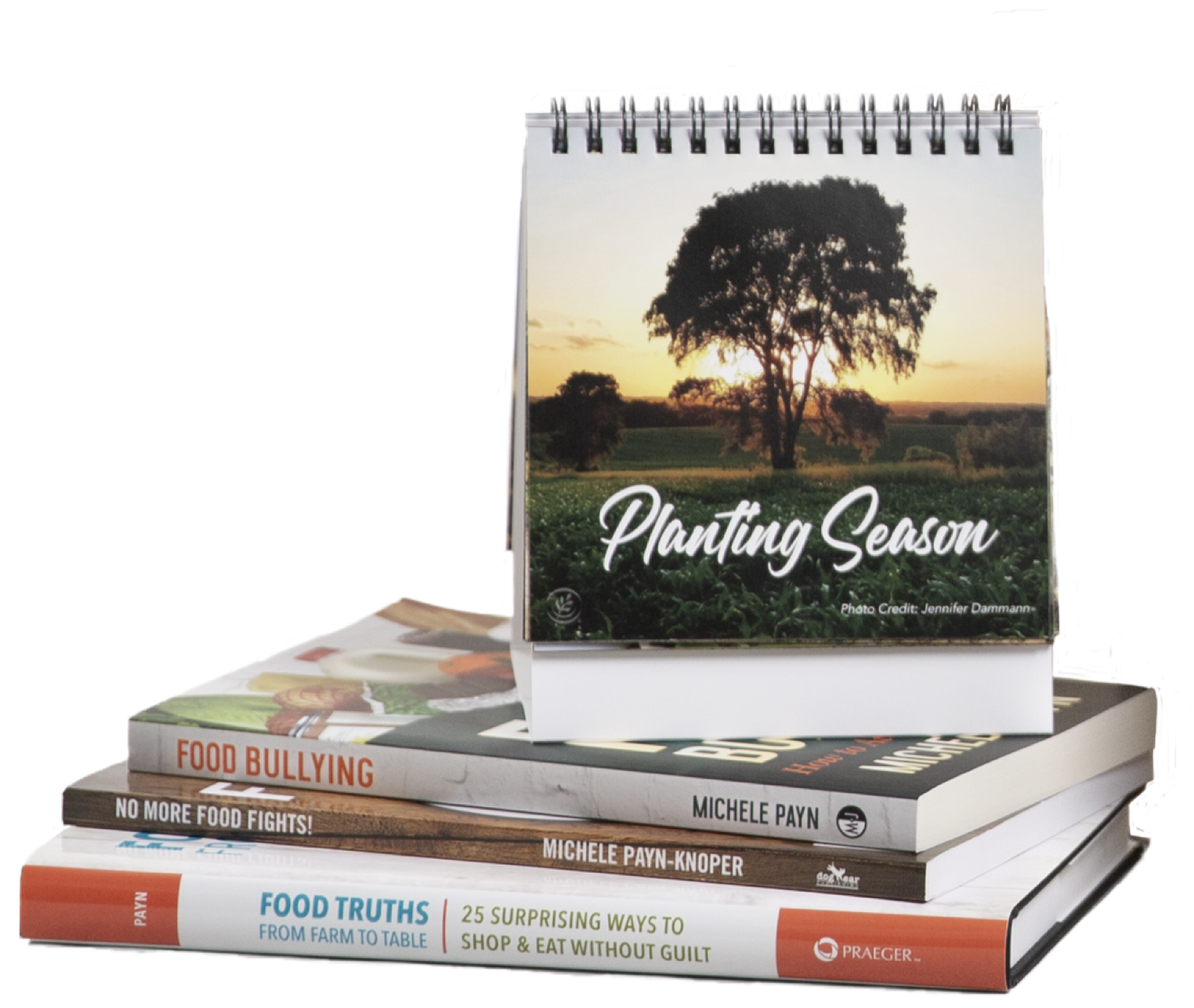
- Food Bullying: How to Avoid Buying BS by Michele Payn
- Embrace Your Heart with Eliz Greene
- Have you liked the Food Bullying Podcast’s Facebook page?