
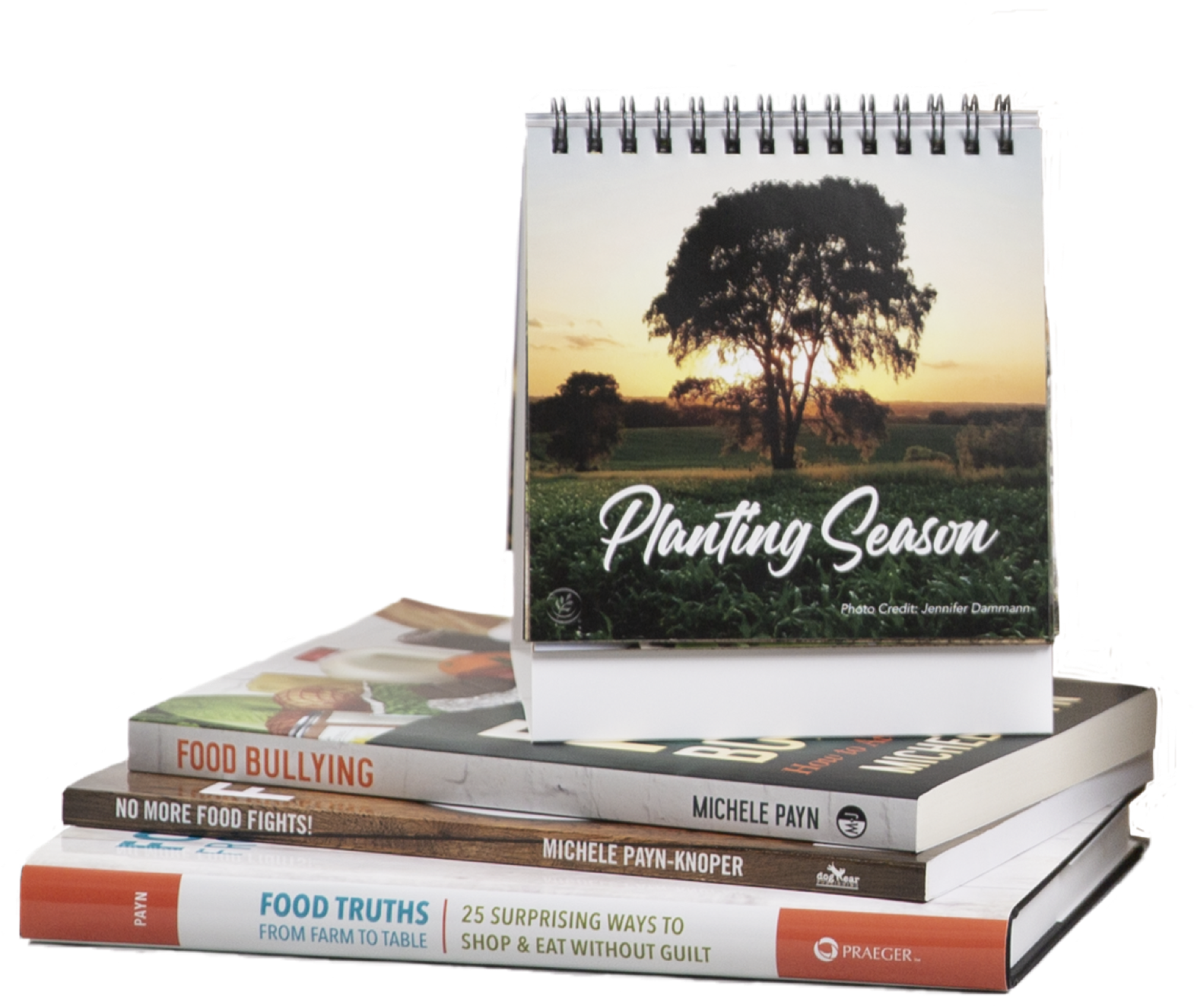

Dietitians and agriculture professionals share more science than they realize. Michele Payn and Amy Hayes discuss sustainable farming, food misinformation, farmer mental health, and how to communicate science that builds – not breaks – consumer trust.
science communication
Latest Posts
Science & sensationalism on the food plate: Episode 131
Algorithms. Shortened attention spans. Competition from uncredentialed food influencers. In communicating science, even the best in nutrition may occasionally fall prey to the siren song of sensationalism in an effort to deliver evidence-based information.
Dairy safety and cognitive dissonance: Episode 129
PhD microbiologist Dr. Andrea Love explains why pasteurized milk is safe, why raw milk isn’t worth the risk, and how chemophobia and food anxiety are driving consumers toward decisions the science doesn’t support – essential listening for dietitians and agricultural organizations.
Big bad agriculture: a transparent look at their science & safety
The biggest misconception about my work is that agriculture companies place pesticides or biotech products on the market without testing them for safety. The fact is that agriculture is one of the most strictly regulated and thoroughly investigated industries in the world. Agriculture companies must strictly follow local and international regulatory guidelines and conduct hundreds of safety studies before launching a product.

